Case study
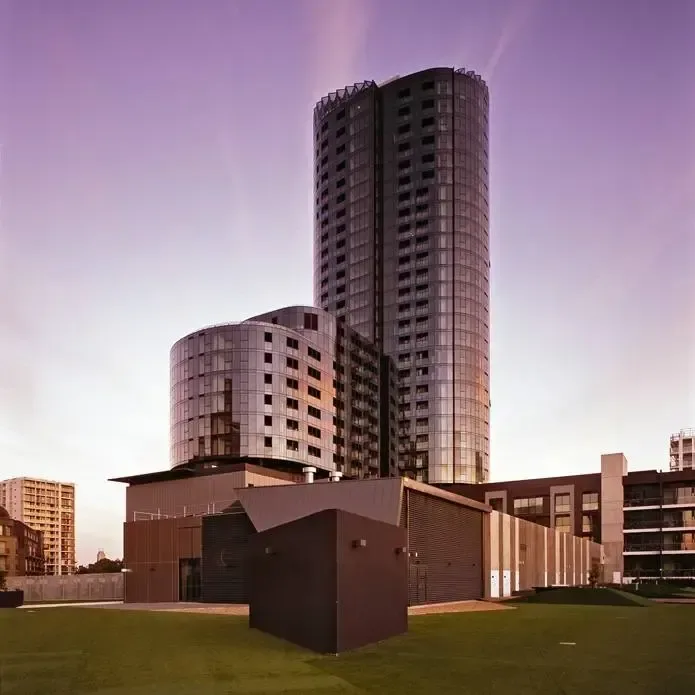
Bond Quarter
A basement that beat epoxy injection and negative waterproofing, twice over.
We stopped trying to stop the water
Water was getting into the basement, and the client had already engaged several remedial waterproofing companies to deal with it. Every one of them tried the same two things: epoxy injection, then negative-side waterproofing.
Each time, the water simply appeared somewhere else. Below ground it is under constant hydrostatic pressure with nowhere to drain away to, so blocking one path only sends it looking for the next.
By the time we were involved the car stackers had been damaged and were out of order, which is what an unsolved basement leak eventually costs.
How it went
- 01
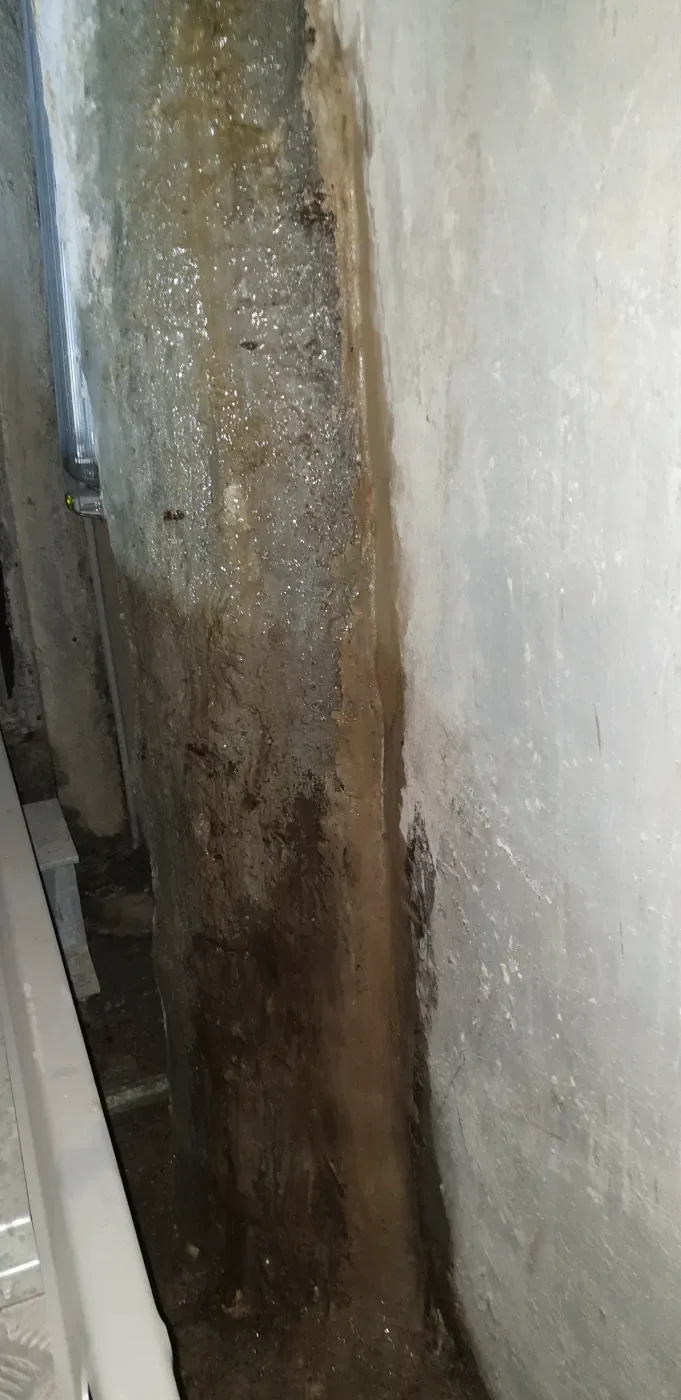
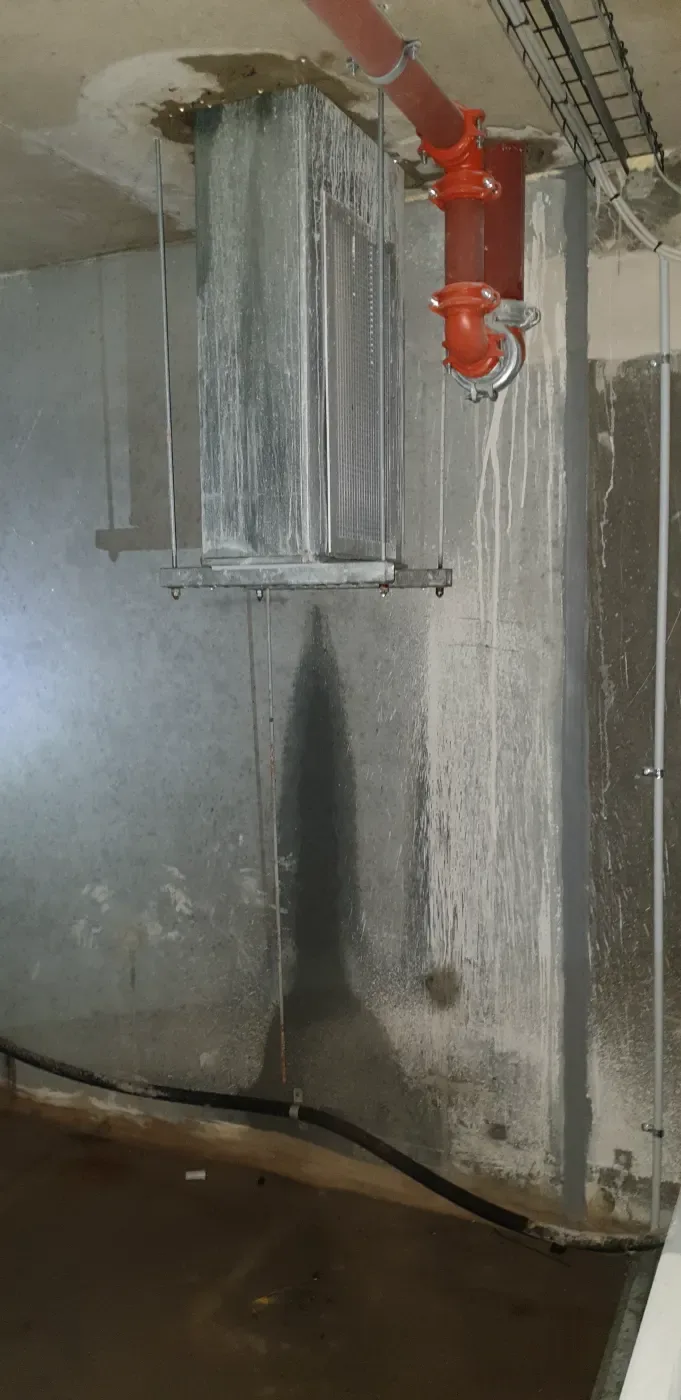
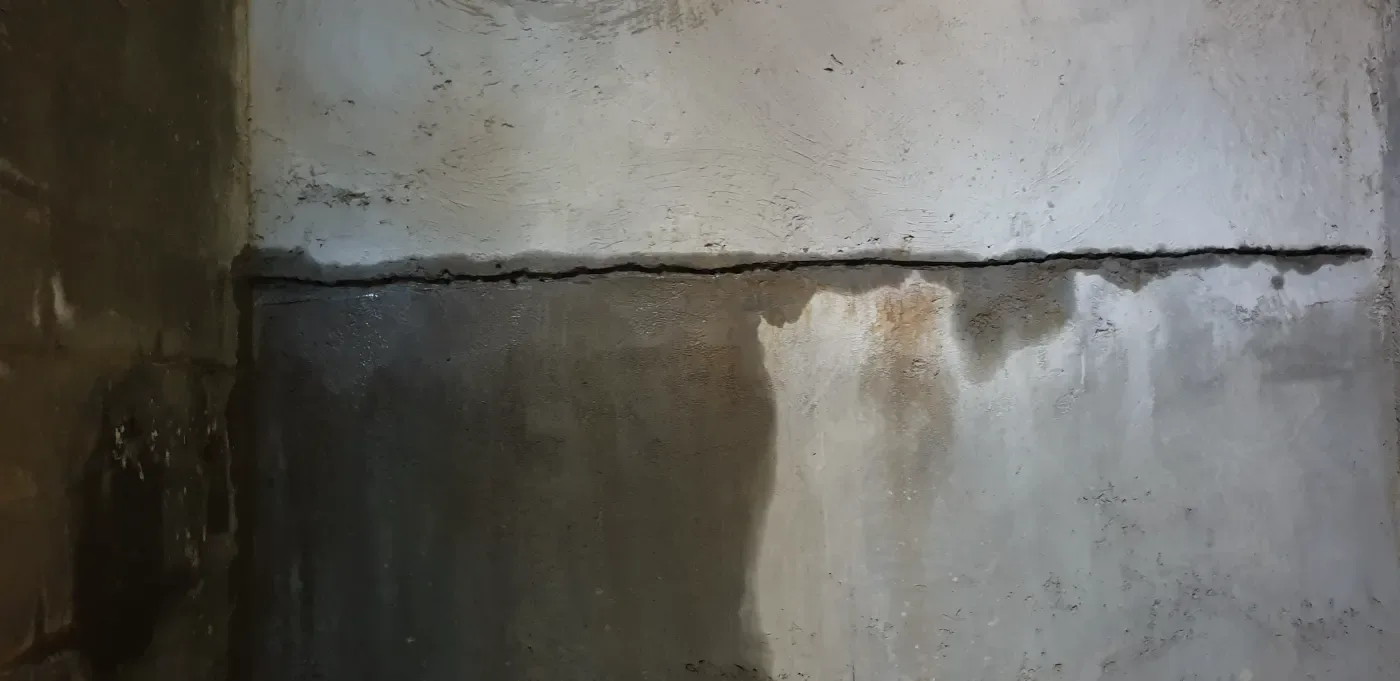
Water finding its own way in
Down the walls, down the columns, and out of a construction joint with a water line to mark how long it had been running. Every previous attempt had blocked one path, so it simply took the next.
- 02
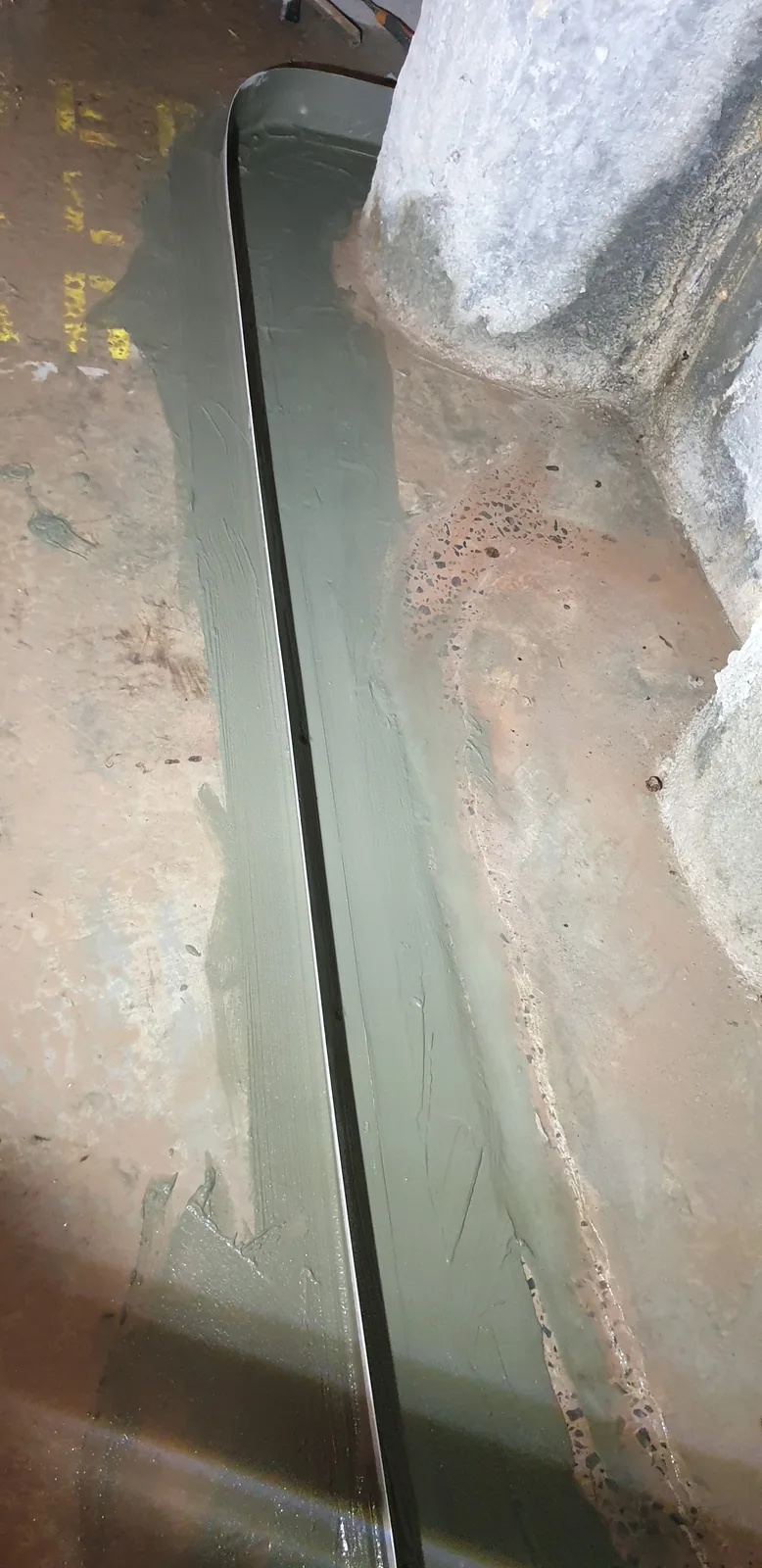
Giving it somewhere to go
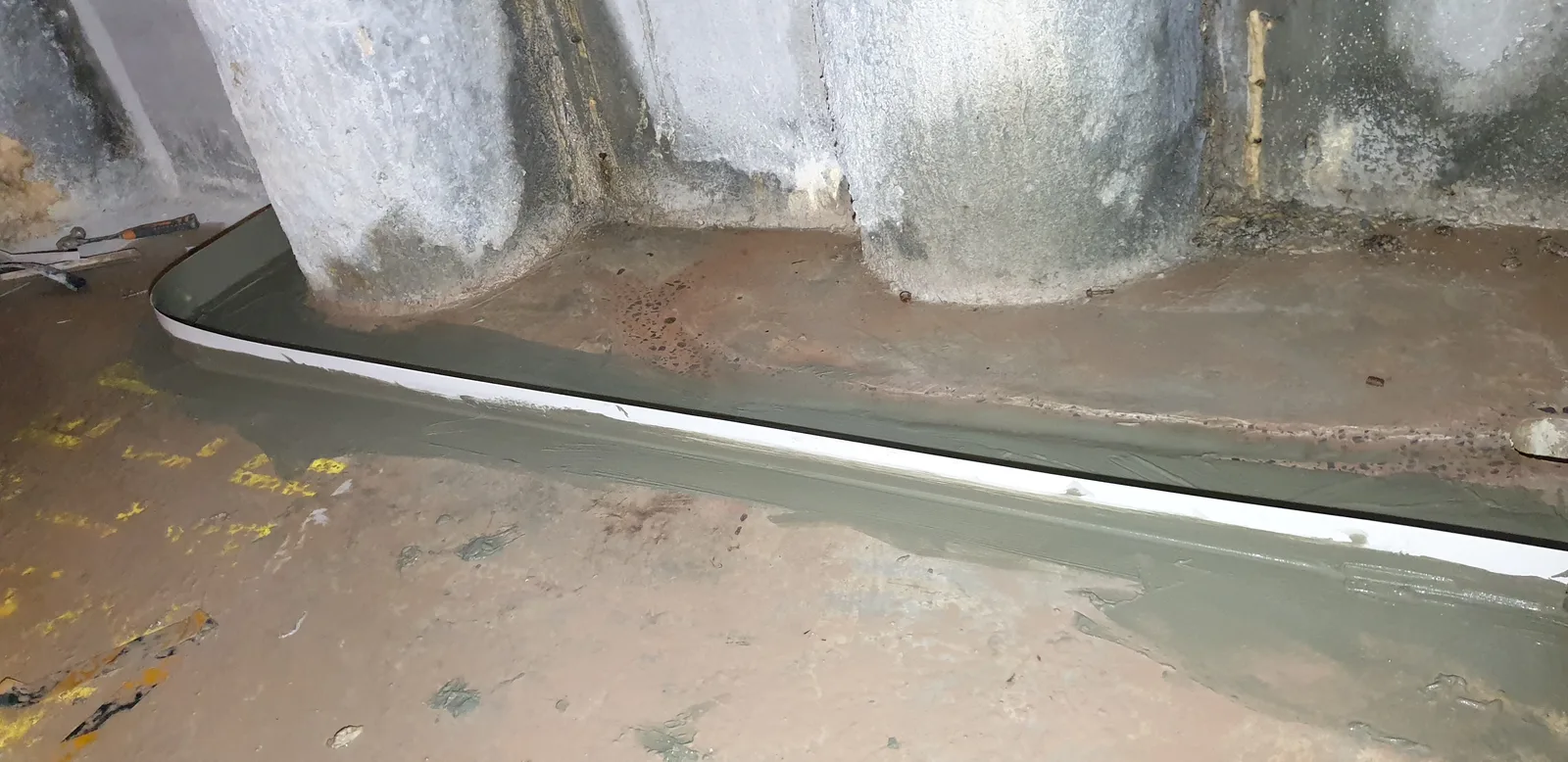
Rather than another waterproofing system, a drainage system: the water intercepted at the base of the structure and directed along a channel to a controlled discharge point, so it runs where we put it instead of through the slab.
The outcome
The water has somewhere to go, the structure is no longer the path of least resistance, and the car stackers are now operational.