
Remedial waterproofing and concrete repair in Melbourne
Failed waterproofing redone, and the damage the leak left behind - framing, substrate, concrete, linings and finishes - repaired under the same contract.
A leak is rarely a one trade fix
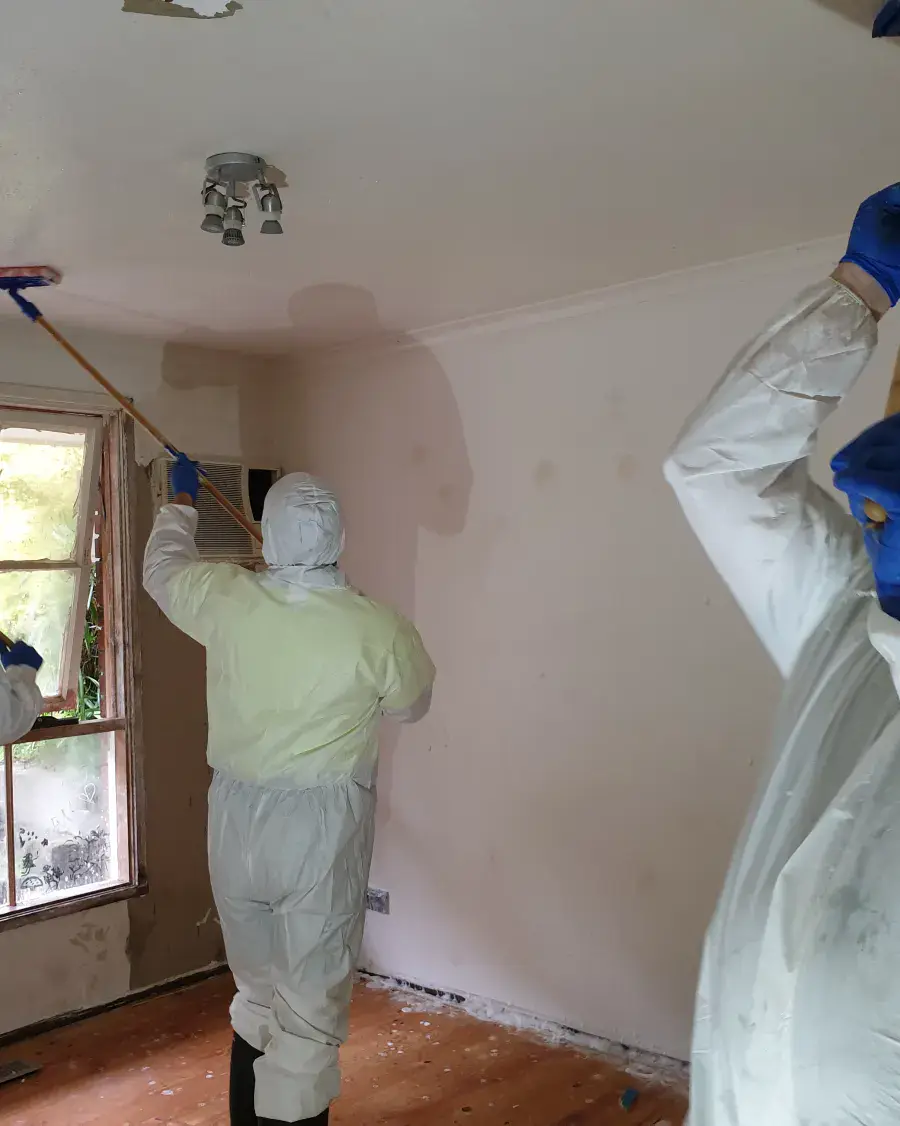
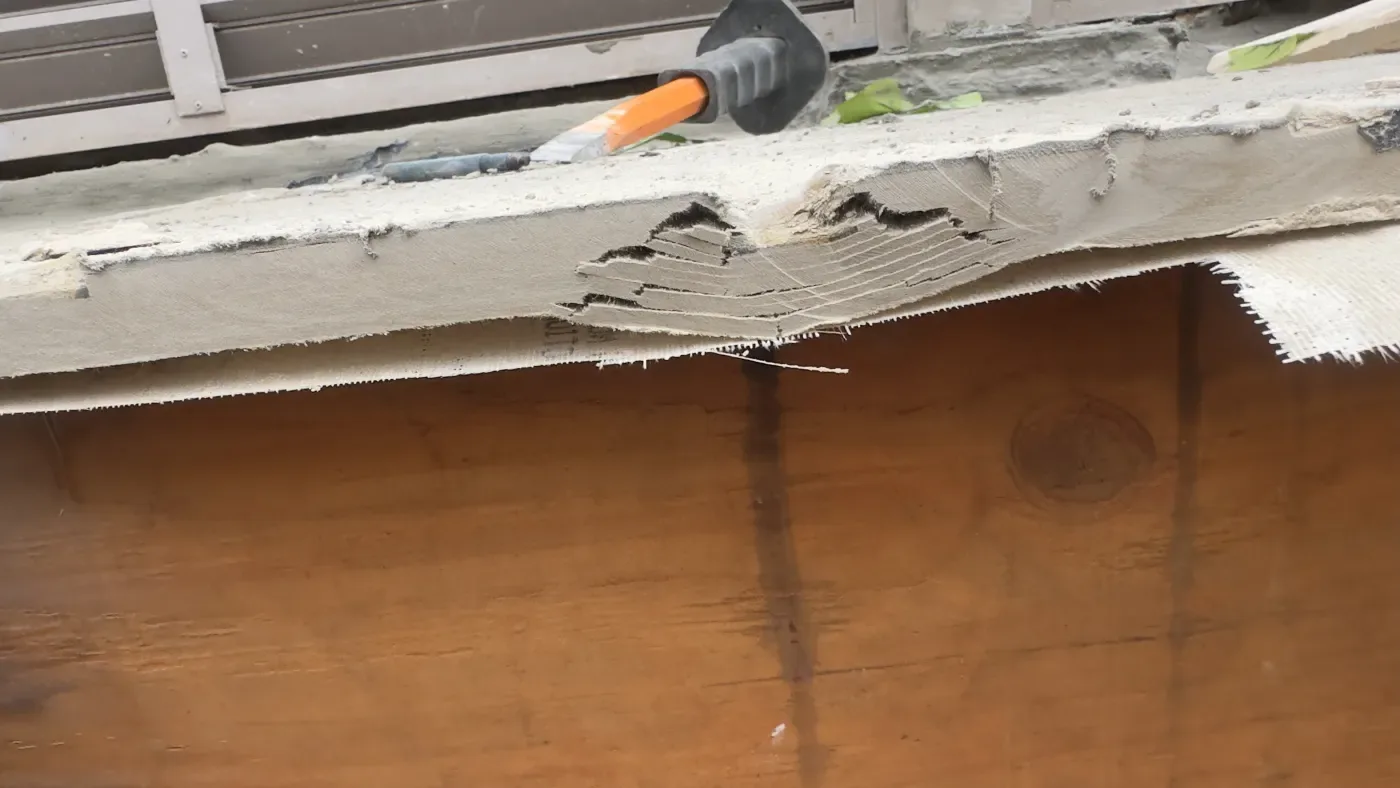
By the time a leak is found, the water has usually reached more than the membrane. Timber framing, the substrate under the tiles, plasterboard, and the services running through walls and ceilings can all be affected, and each needs a different trade to repair.
The order matters. Framing is repaired before the substrate goes down, the substrate before the membrane, and walls and ceilings are only closed once everything inside them has been checked.
Case study: Carlton Hotel
From the roof to the second floor
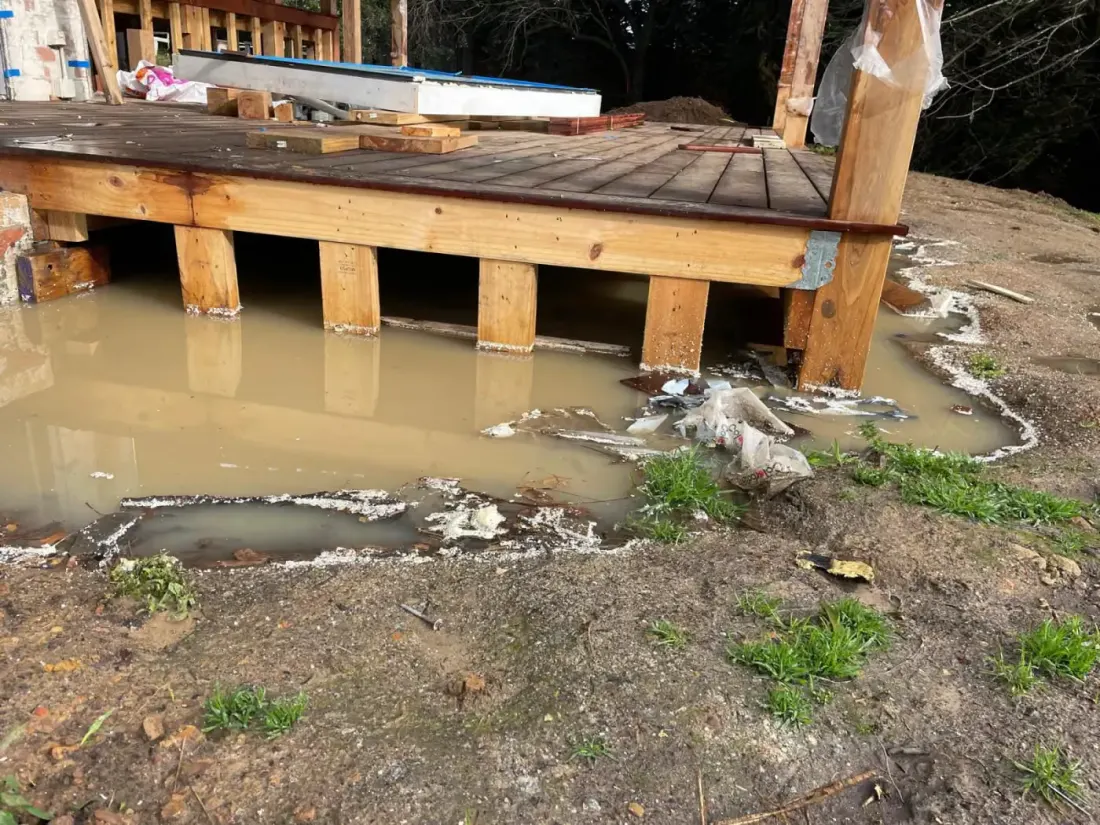
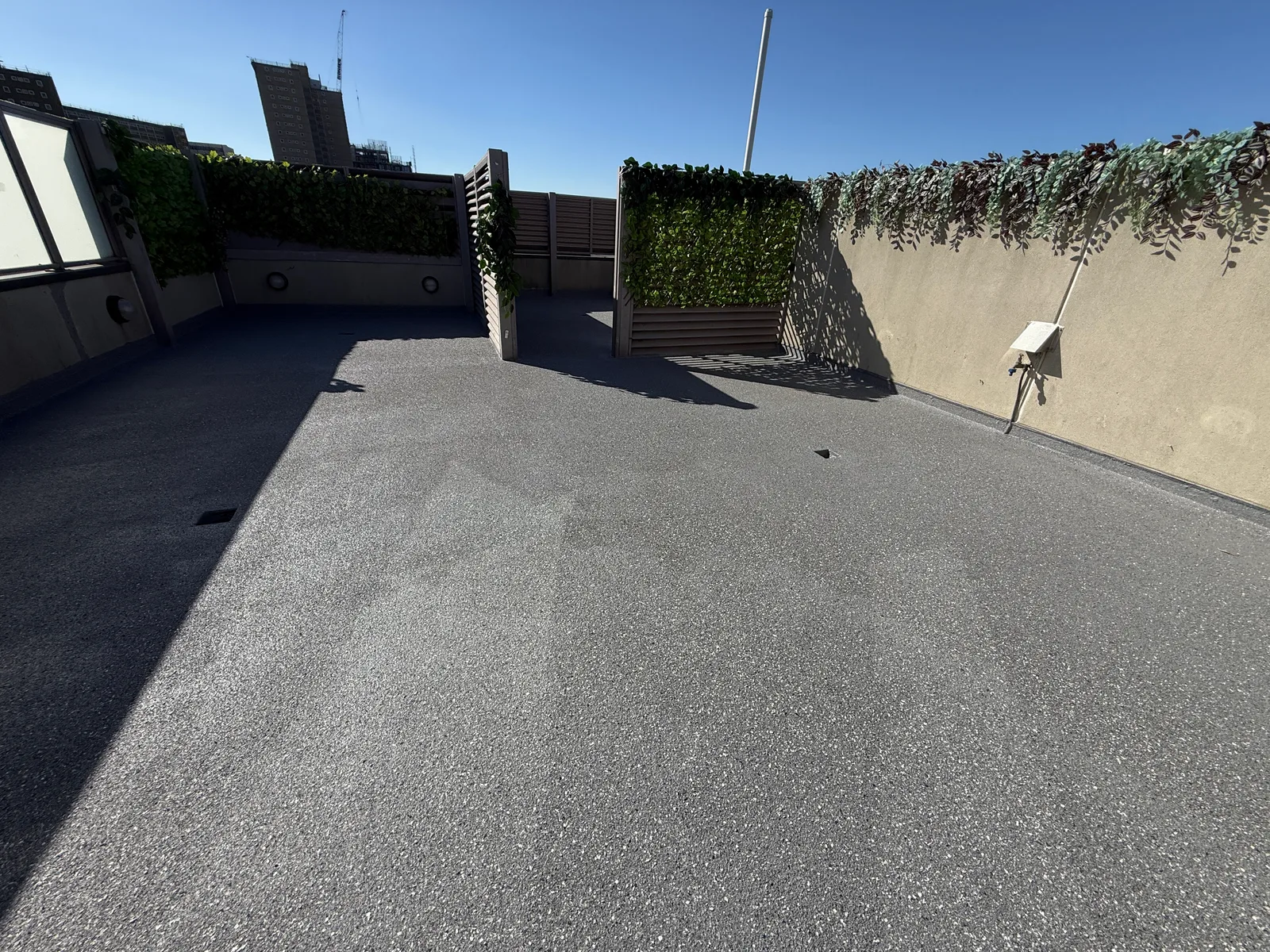
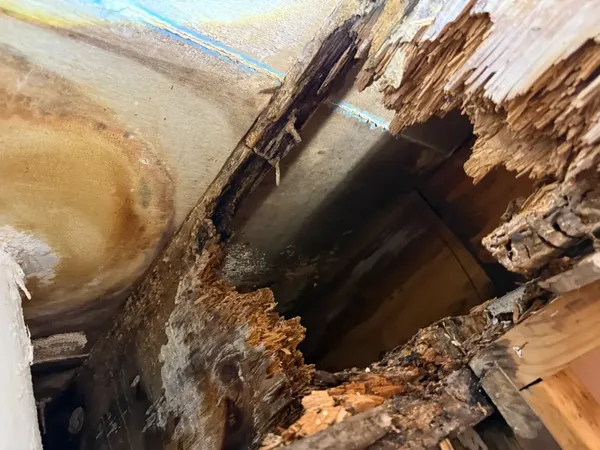
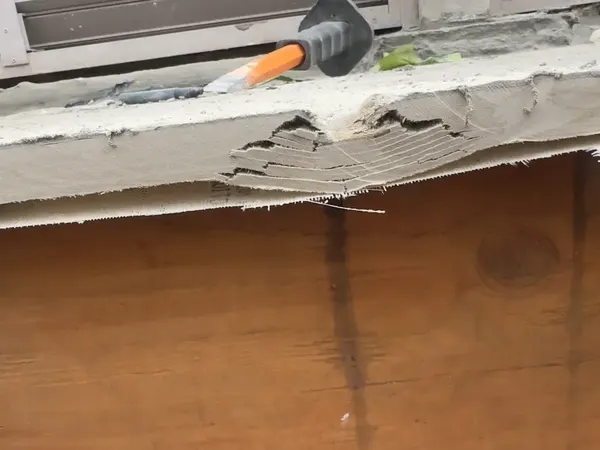
The waterproofing on this Carlton hotel roof had failed around a penetration. Water had been getting into the building from there, and it had rotted the beam.
From there the water had travelled. It reached the first and second floor bathrooms, and the second floor needed a new subfloor, the ceiling repaired, waterproofing re-done, and the plumbing relocated.
What we repair
Whatever the water has reached, repaired in the right order.
- Concrete cancer and spalling
- Broken out, the steel treated, the concrete rebuilt.
- Cracks
- Injected with polyurethane or epoxy.
- Rotted framing
- Framing, bearers and subfloors replaced.
- Substrate
- Levelled and screeded for the membrane.
- Linings and finishes
- Plasterboard, ceilings, tiling and flooring.
One call instead of 5
The same trades do the work either way. The difference is who organises them and who is responsible for the result.
With us

- 1
- Contact
- 1
- Warranty
- 1
- Visit
Managing it yourself
- 5
- Contacts
- 5
- Warranties
- 5
- Visits
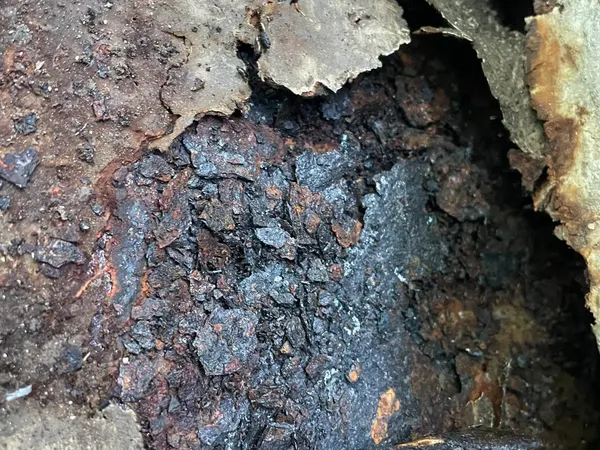
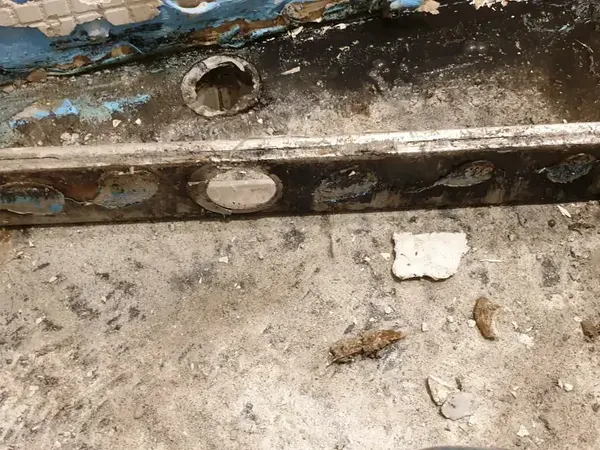
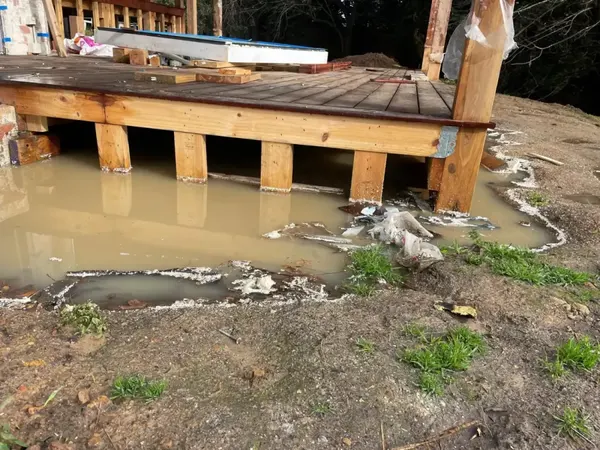
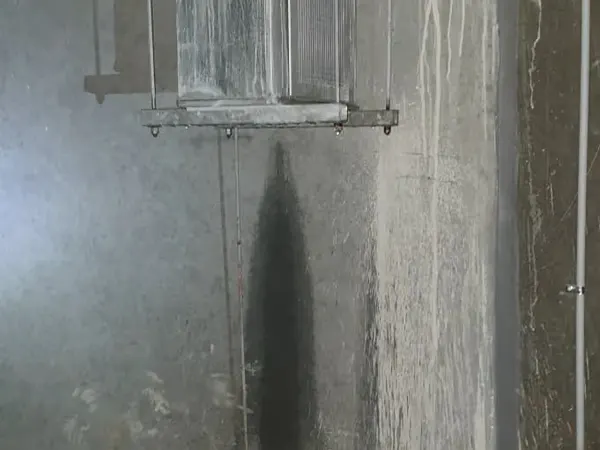
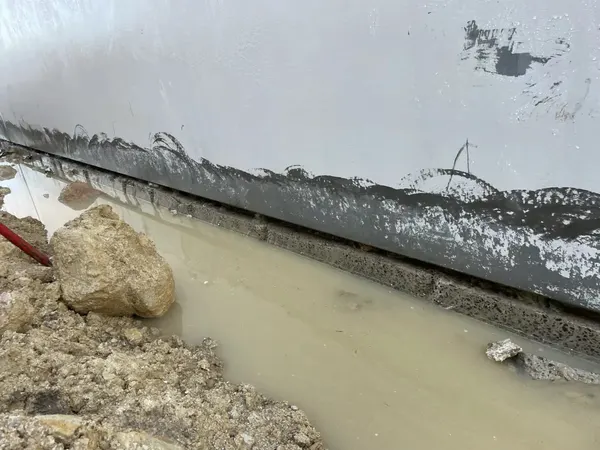
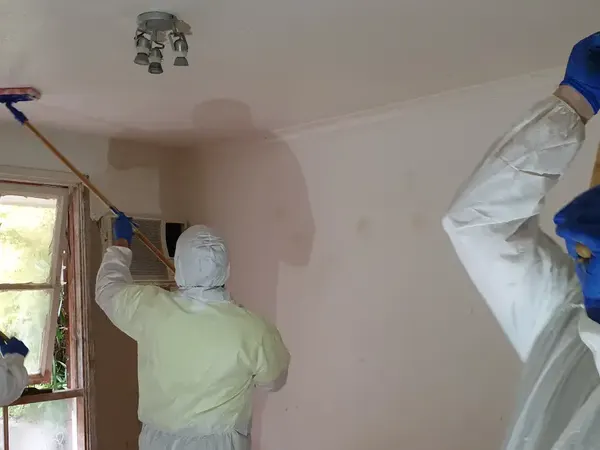
When a leak is left too long
From our own jobs.
Frequently asked questions
Fixing waterproofing that has already failed, as opposed to waterproofing a new build. It is two jobs: the membrane keeps water out, and the repair deals with what the water did on its way in - framing that has rotted, concrete that has spalled, linings and finishes that have broken down. Where a leak has done damage, the job usually needs both, in that order: the damage is repaired first, then the membrane goes on over sound substrate.
Concrete cancer is what happens when water reaches the steel reinforcement inside concrete and rusts it. Rusting steel expands, and that expansion cracks the surrounding concrete off from the inside, which is why it shows up as spalling, cracking or a rust-coloured stain. In most cases it is repaired rather than replaced: the damaged concrete is broken out back to sound material, the reinforcement is exposed and treated, and the section is reinstated. How far it has gone is what decides that, which is why it is assessed on site first.
By establishing the extent before quoting rather than after. Moisture mapping and thermal imaging show where water has travelled behind finishes, and a covermeter survey shows how deep the reinforcement sits and where it is most at risk. That produces a scope you can put to a committee, instead of a low number that grows once the work opens up.
It depends on which product the crack calls for, and the two are not interchangeable. Polyurethane stays flexible and seals a crack that still moves, which is what you want where the job is to stop water. Epoxy is rigid and bonds the two faces back together, which is what you want where the section has to carry load again. Injecting the wrong one is why some repairs reopen.
Yes. We are a registered building practitioner with the Victorian Building Authority as well as a licensed waterproofer, so the concrete repair, the injection, the membrane and the finishes afterwards sit under one contract. There is no handover point between a builder and a waterproofer for a defect to fall through.
It depends on where the water got in. Damage traced to common property is usually the owners corporation's; damage from inside a lot is usually the owner's; and whether insurance responds depends on the policy and the cause. All three turn on the same thing - the source of the leak - which is why it is established and written up before the repair is scoped.
It depends on how far the damage goes, which is not known until the affected area is opened up and assessed. Membranes, screeds and repair mortars also have cure times that cannot be rushed without causing the next failure. The programme is set out in writing with the scope, before work starts.
Usually, yes. The work is staged around residents and access, so the parts of the building in use stay usable while each area is repaired, and the sequence is agreed before anything starts.