Case study
South Yarra Apartments
A cladding replacement that would have taken the balcony waterproofing with it.
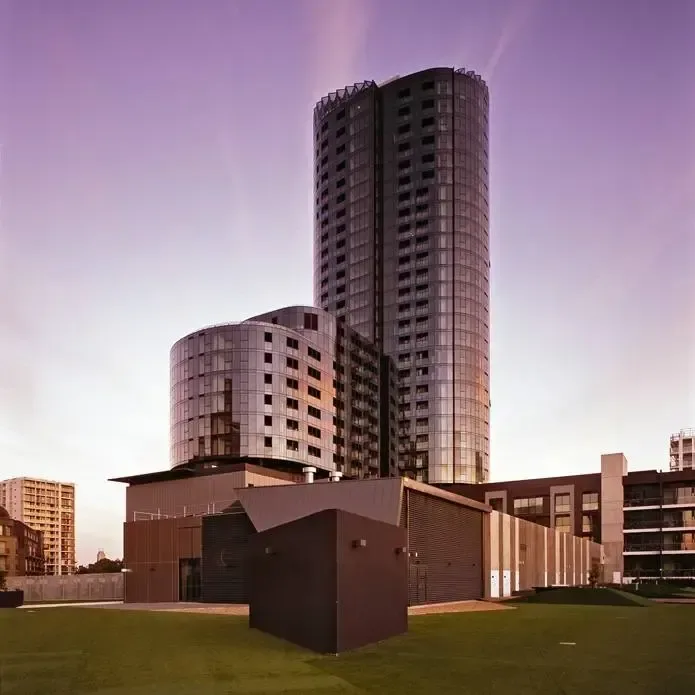
The cladding had to come off the waterproofing did not
Under the cladding rectification scheme, this building had to have its cladding replaced. The problem was that the cladding was tied into the balcony waterproofing.
Remove one and you damage the other, and the building has more than a hundred apartments. Left unsolved, the cladding works would have meant reinstating waterproofing on a scale far beyond the job anyone had budgeted for.
How it went
- 01
What the cladding was tied into
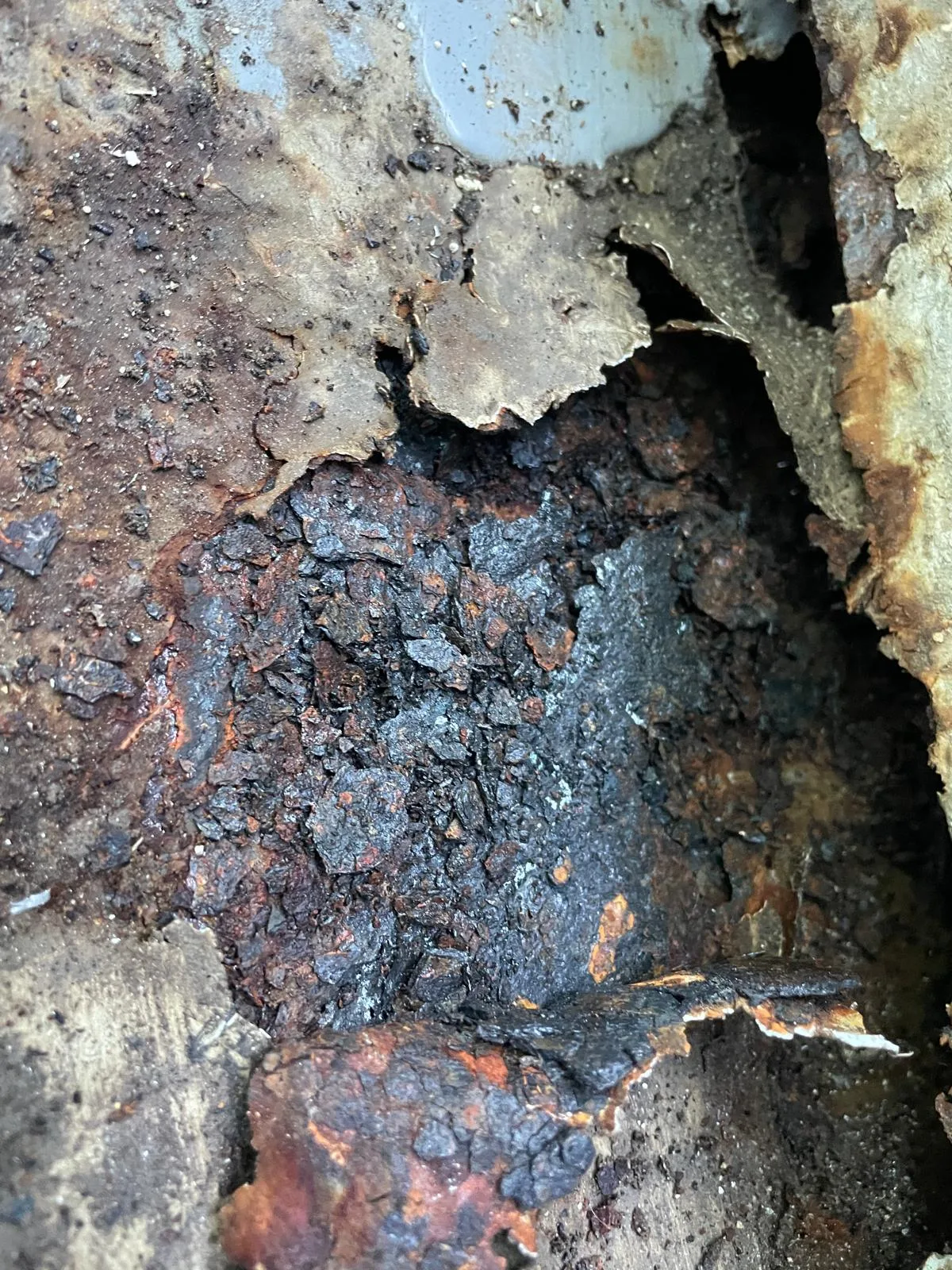
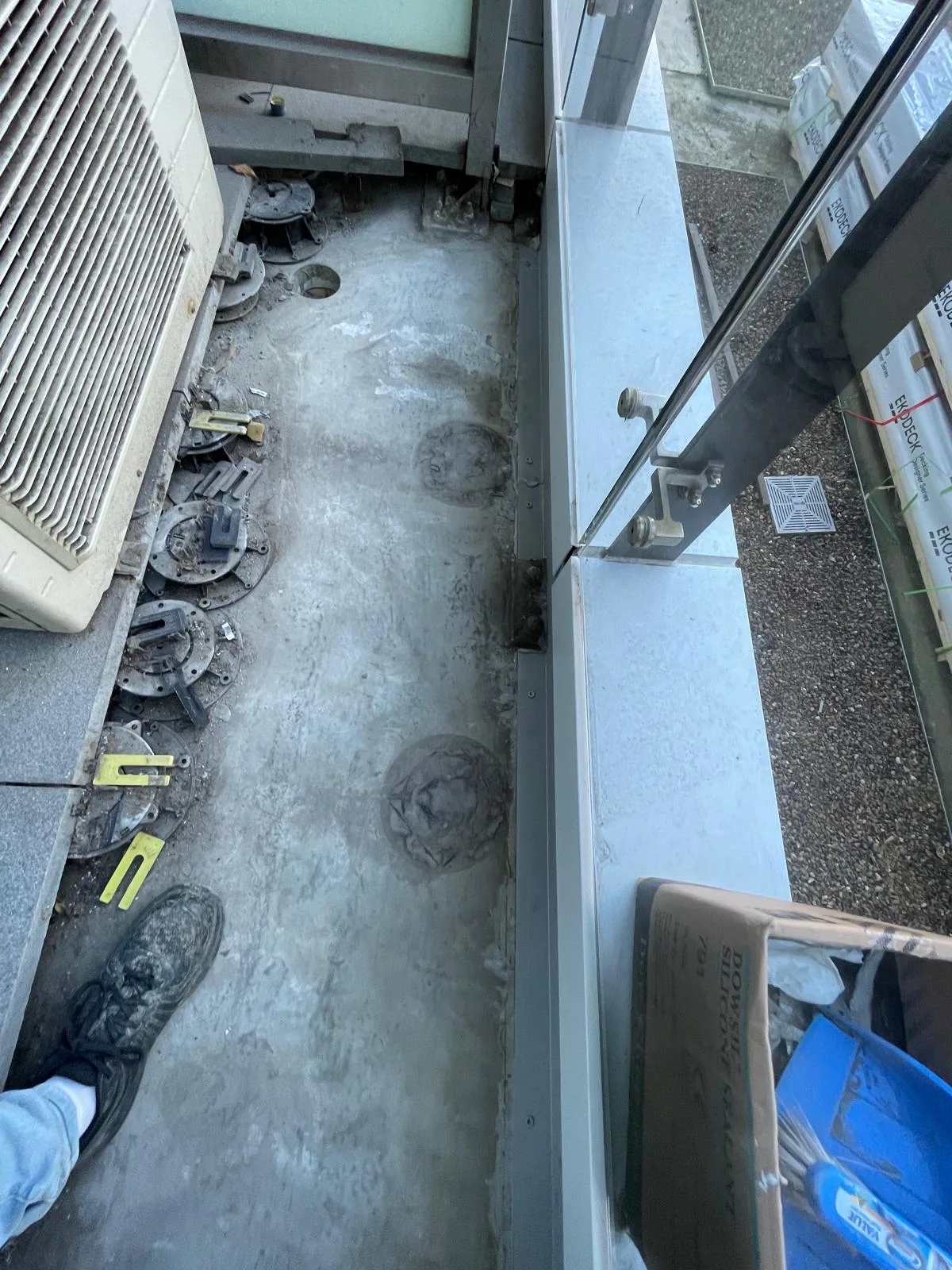
At the junction where the cladding met the slab, the two systems had become one. Removing the cladding meant tearing the waterproofing with it.
- 02
Reading the existing build-up
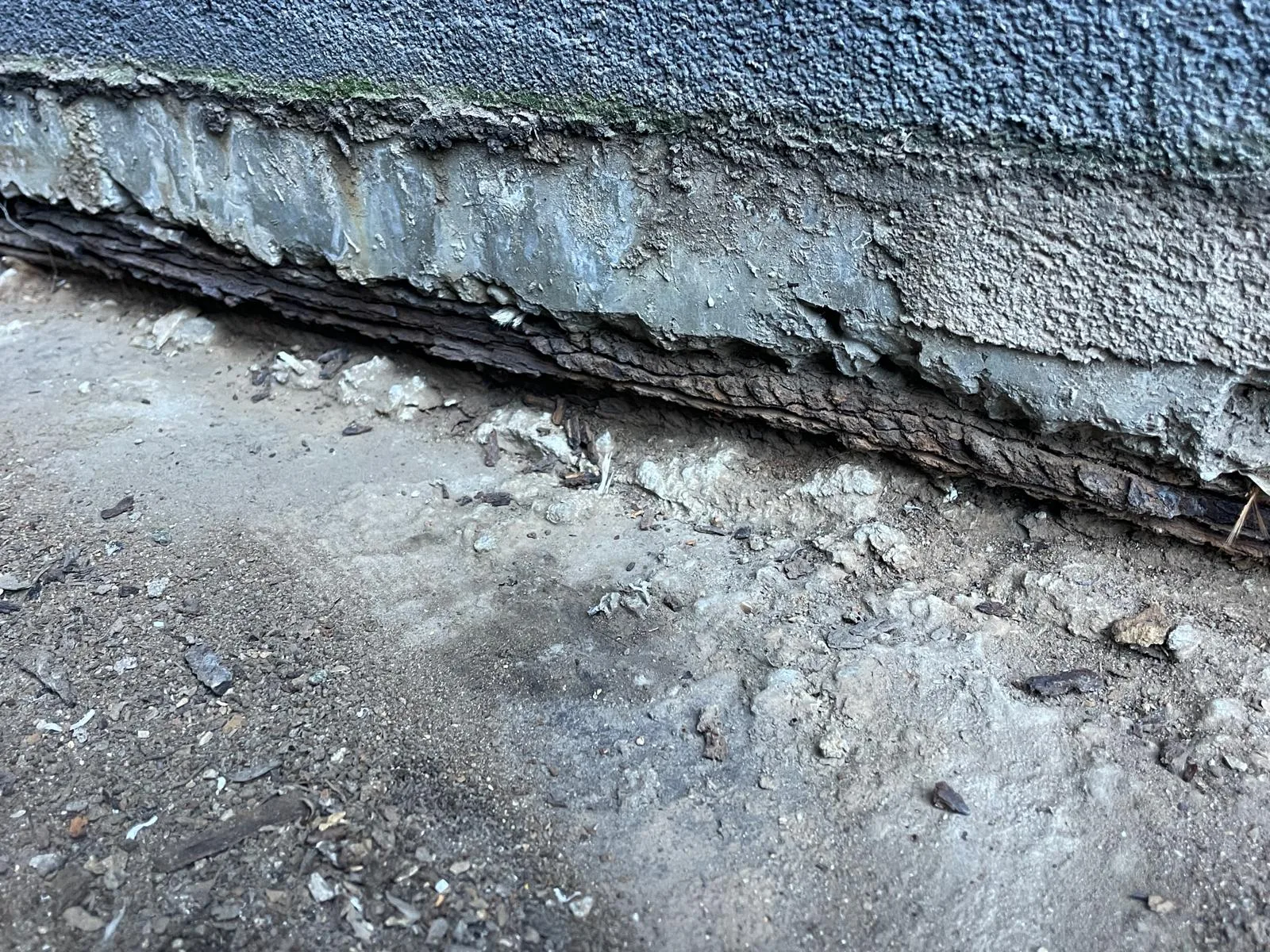
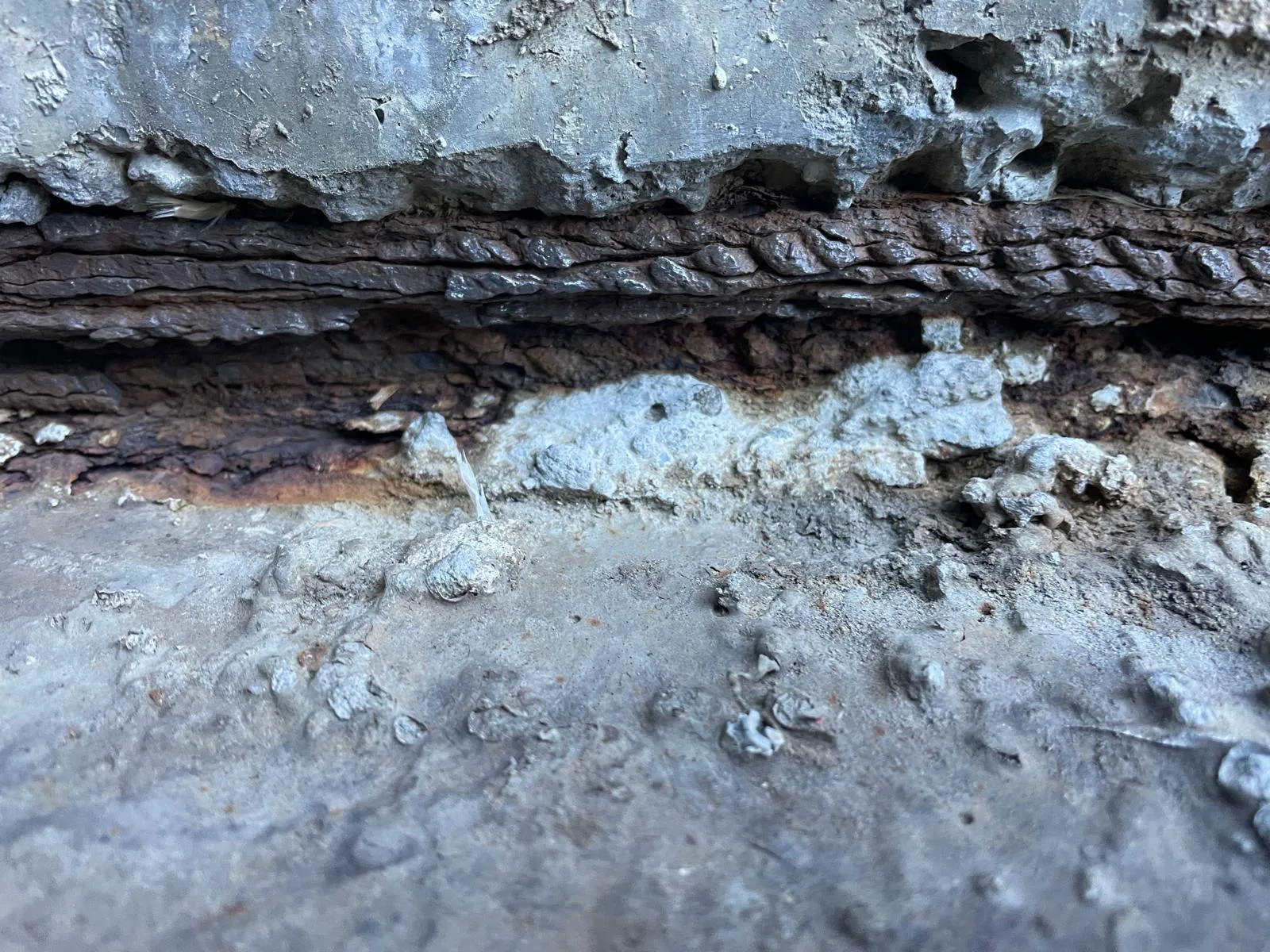
You cannot bond to a system you have not identified, so the existing build-up was investigated first - what was there, in what order, and what condition it was in.
- 03
Separating the two problems
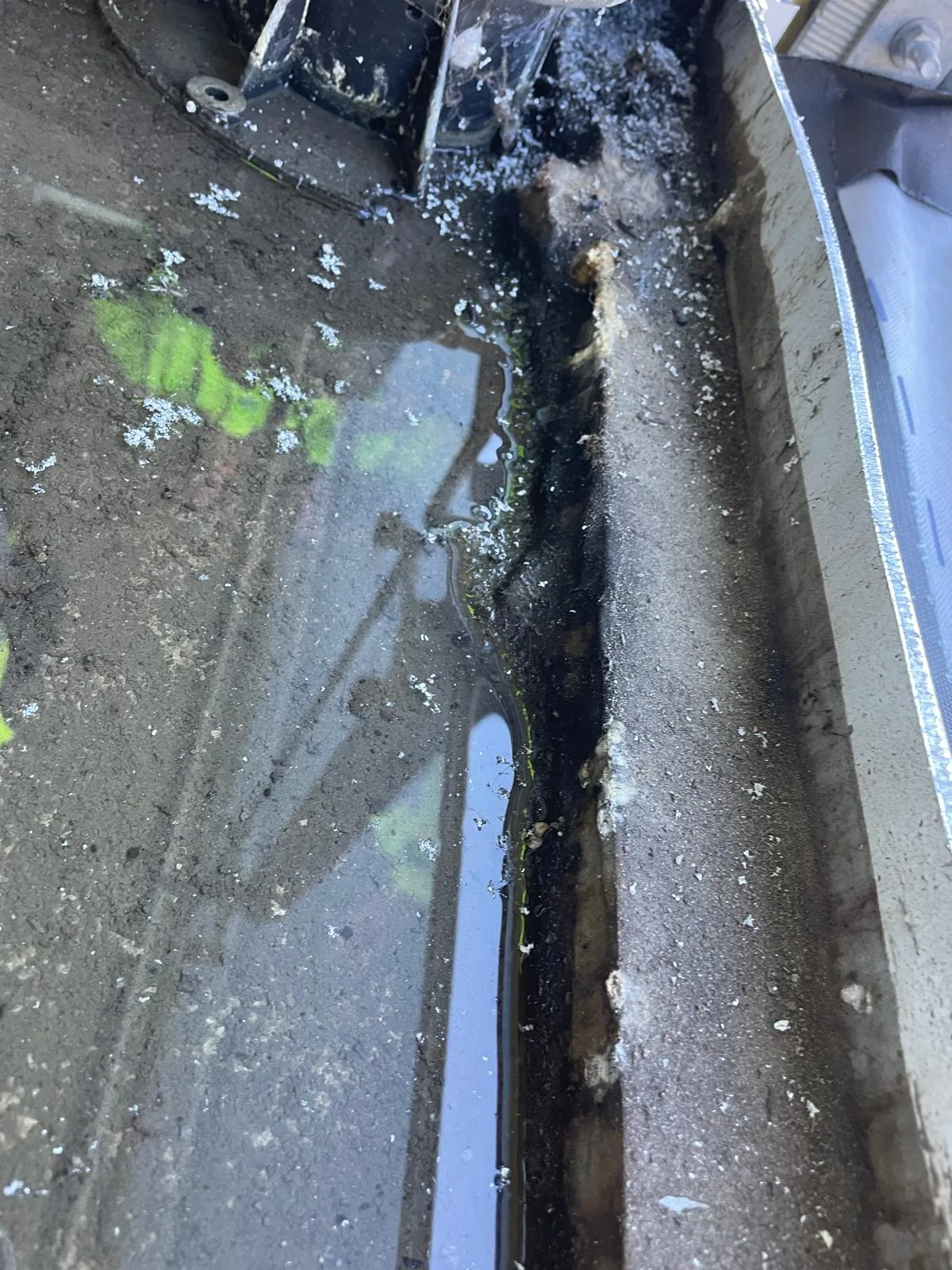
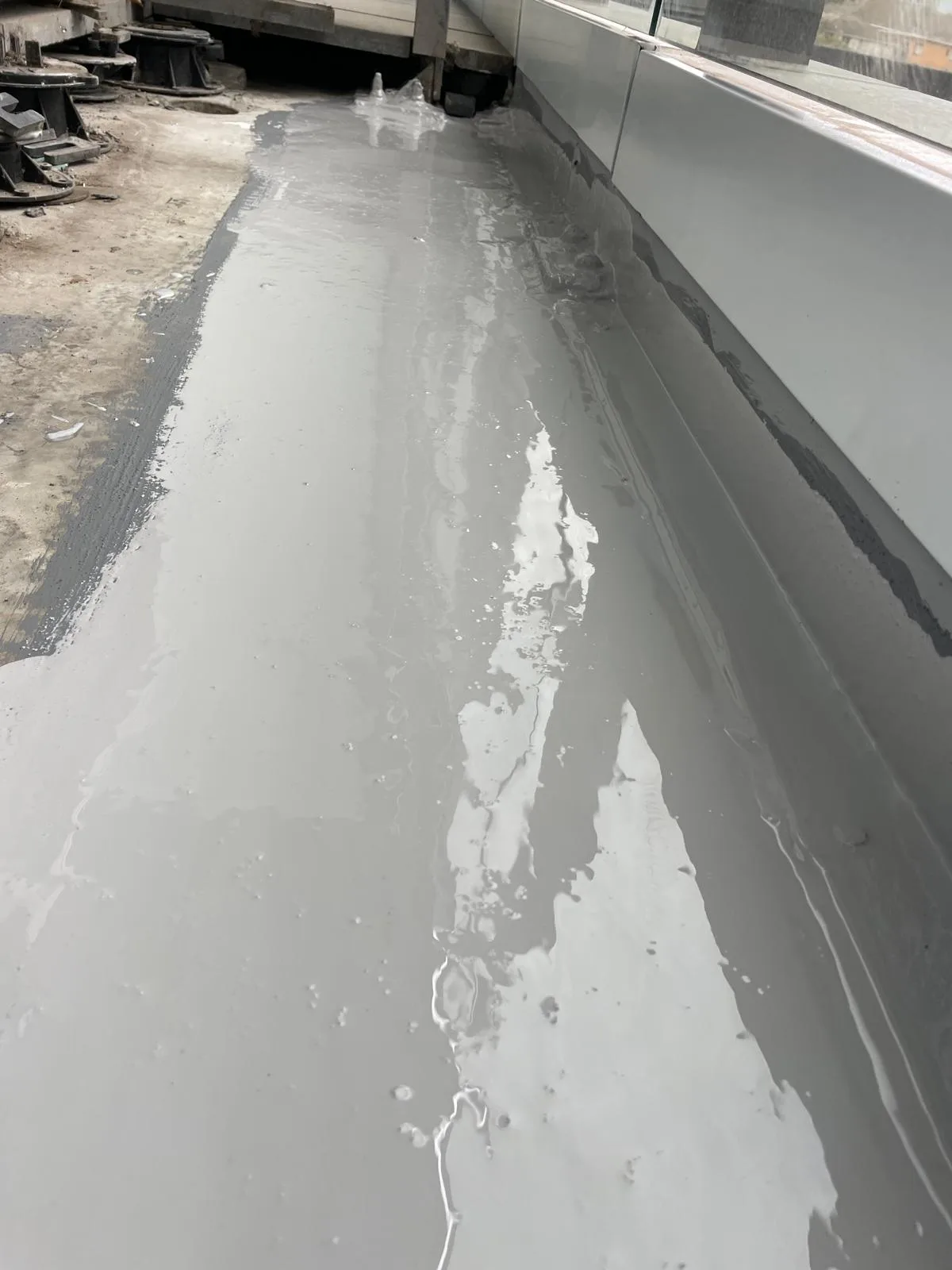
We designed a way to segregate the cladding zone from the rest of the balcony: a defined boundary, with a new membrane introduced on the cladding side and bonded to the existing one at the join. Getting two different waterproofing systems to bond reliably is a materials question rather than a trade one, and it is the part that made the rest possible.
The outcome
A method that lets the cladding be removed without stripping the waterproofing back with it, so the building is not paying to reinstate membranes that had nothing wrong with them.