Case study
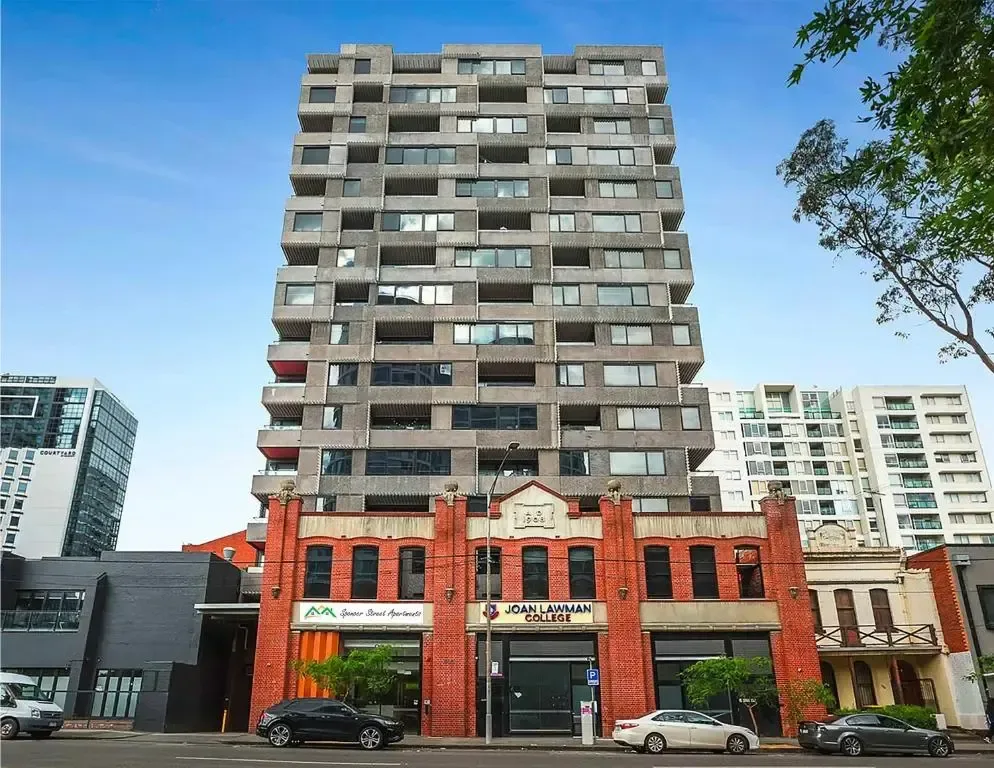
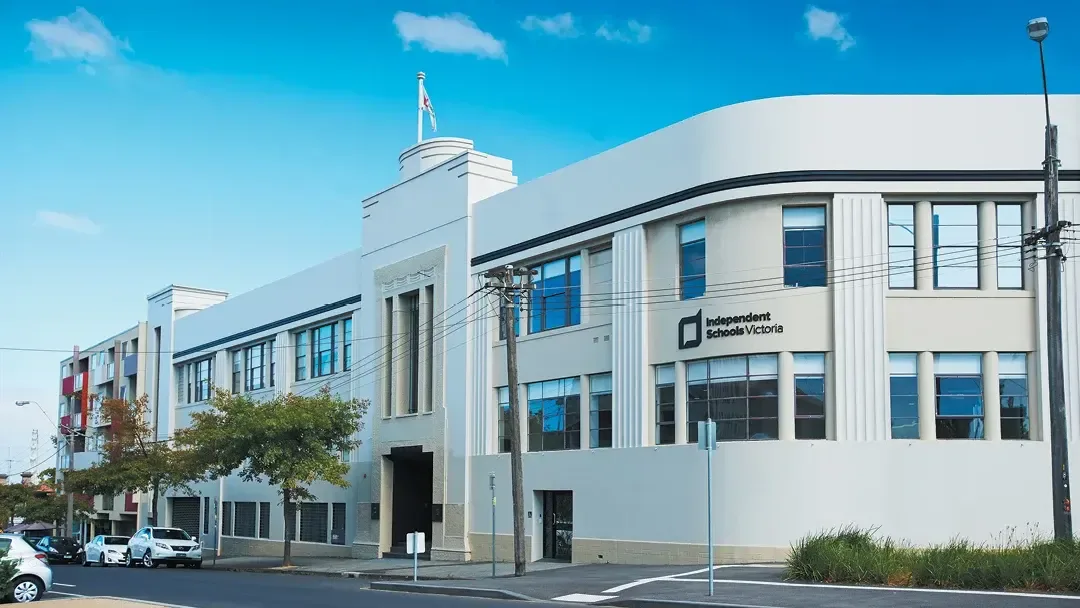
Commercial West Melbourne Building
Six membranes layered on top of each other, and a roof that still leaked.
Six membranes deep, and still leaking
The client had had company after company come and lay a new membrane over the top of the last one. It kept leaking.
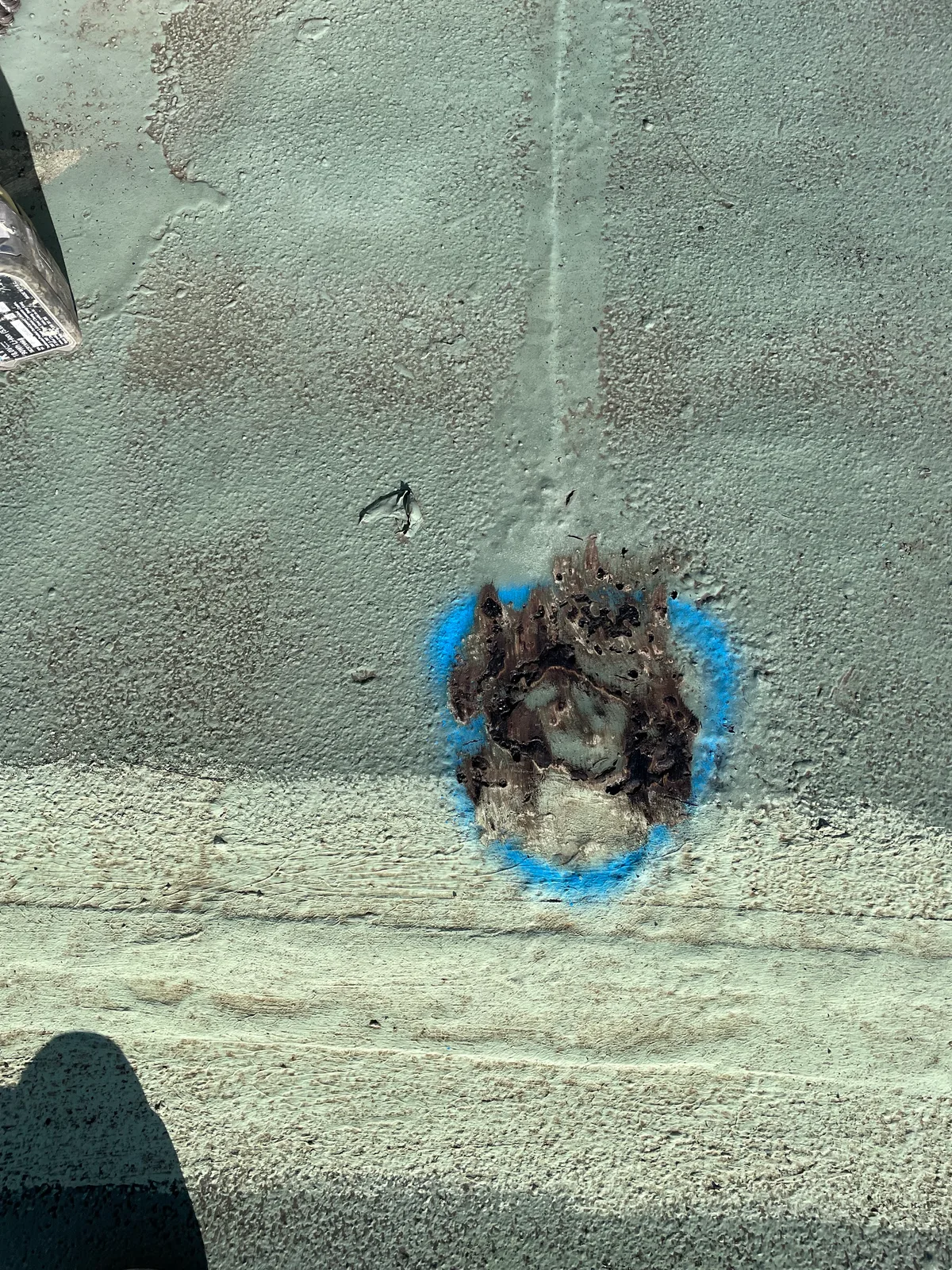
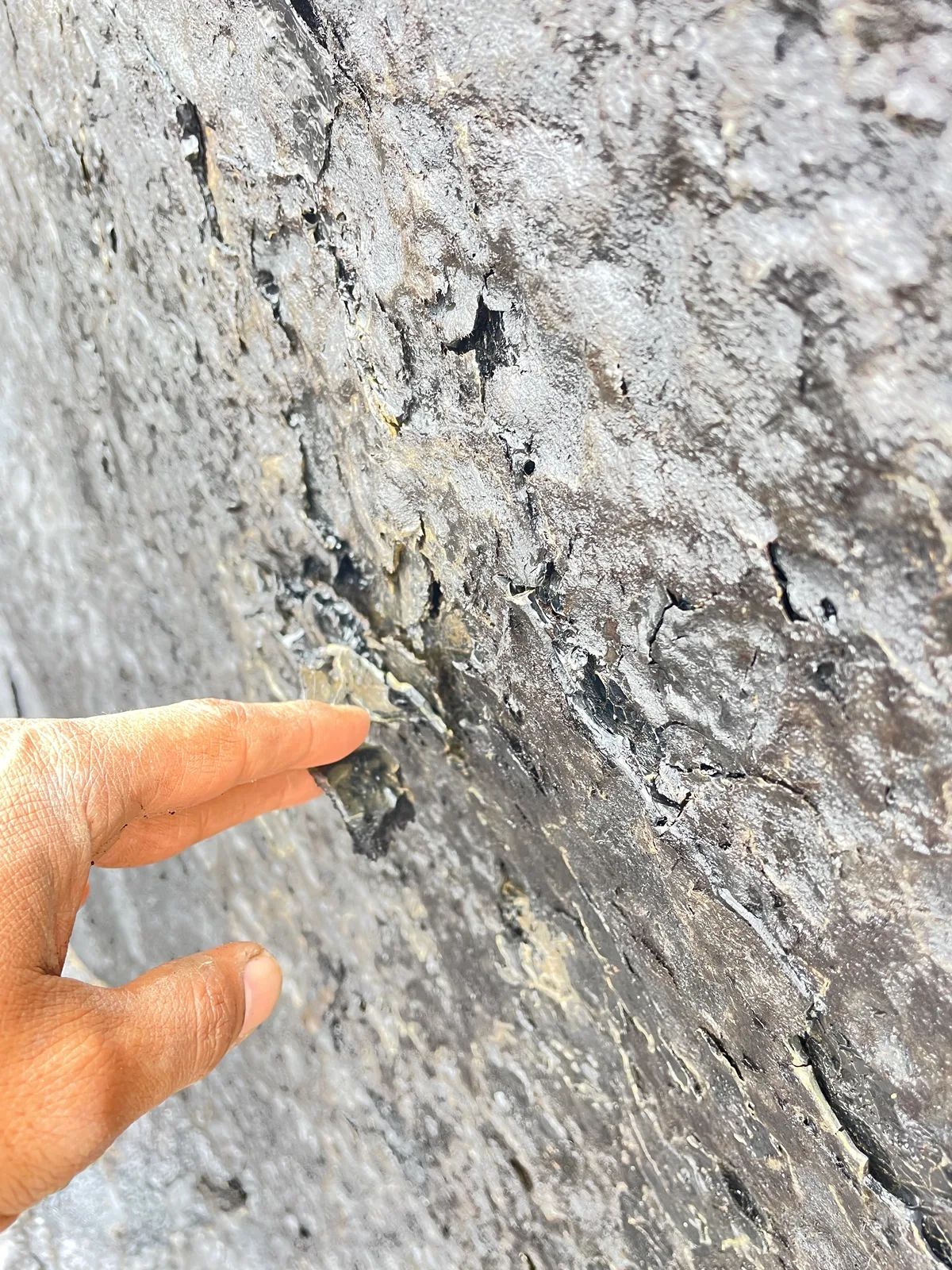
When we opened it up there were six layers on that roof: sheet membrane, polyurethane, torch-on bitumen, and metal sheeting laid straight over waterproofing. Every one of them had been a short-term answer to the same unanswered question.
All that build-up had a second consequence. The falls no longer worked, so water had nowhere to go even where the membrane was intact.
How it went
- 01
Six layers deep
We cored it to find out what was actually up there. Sheet membrane, polyurethane, torch-on bitumen and metal sheeting laid straight over waterproofing - six systems, each one an answer to the same unasked question.
- 02
What was under them
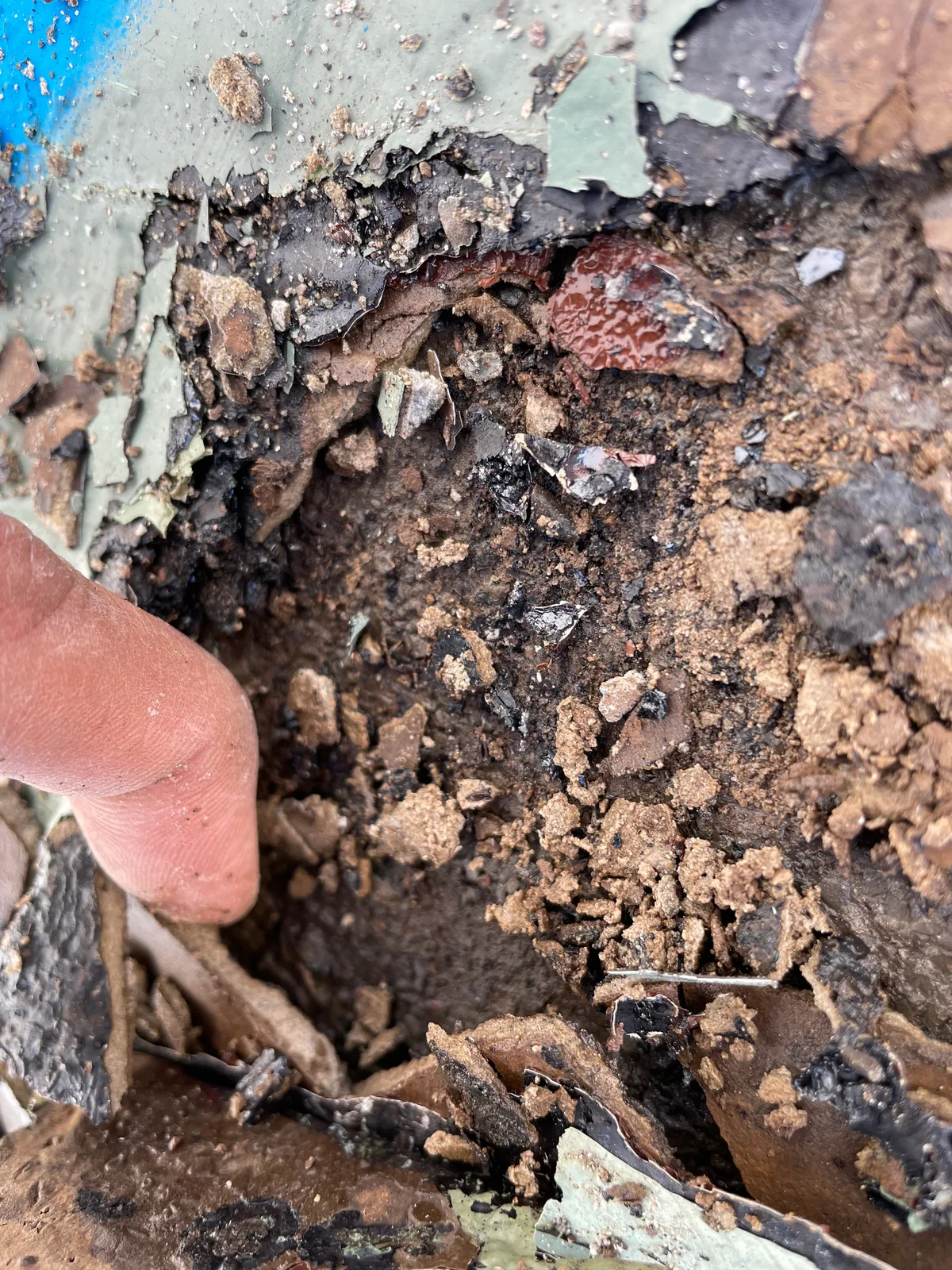
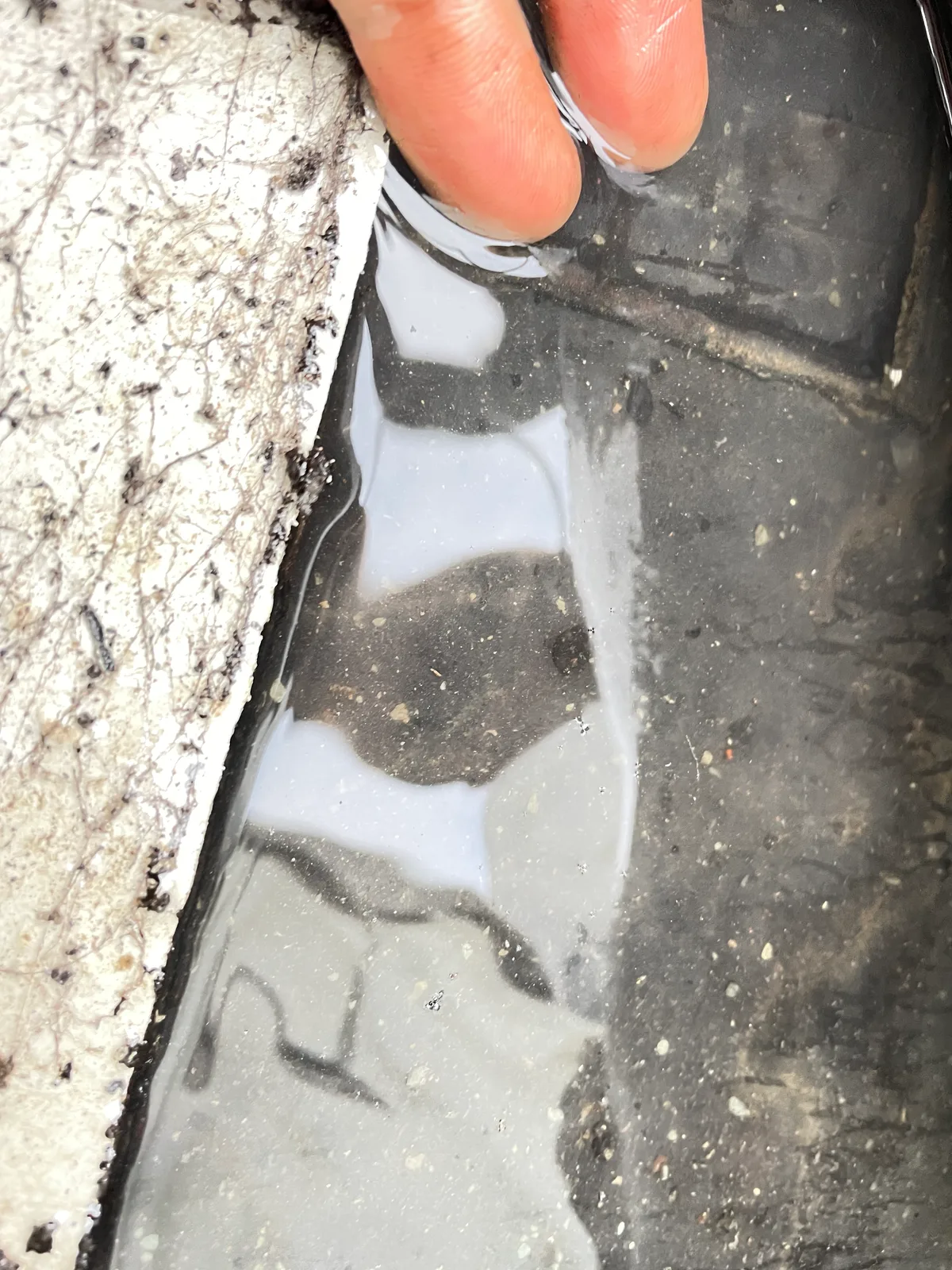
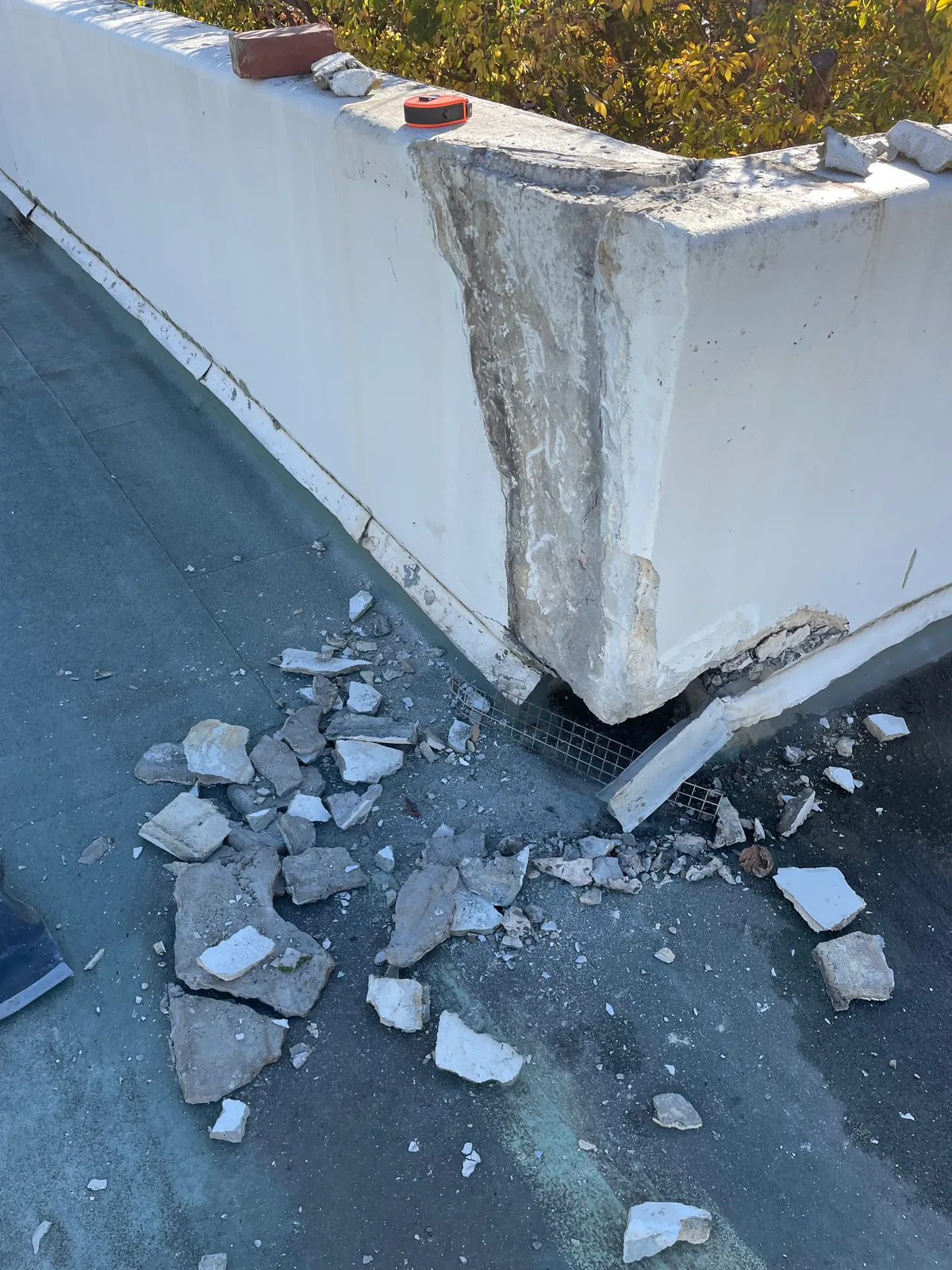
Water sitting between the layers, debris packed into the build-up, and the parapet detailing failed. None of the six had ever reached the substrate, so none of them had ever fixed anything.
- 03
Stripped back, re-graded, re-detailed
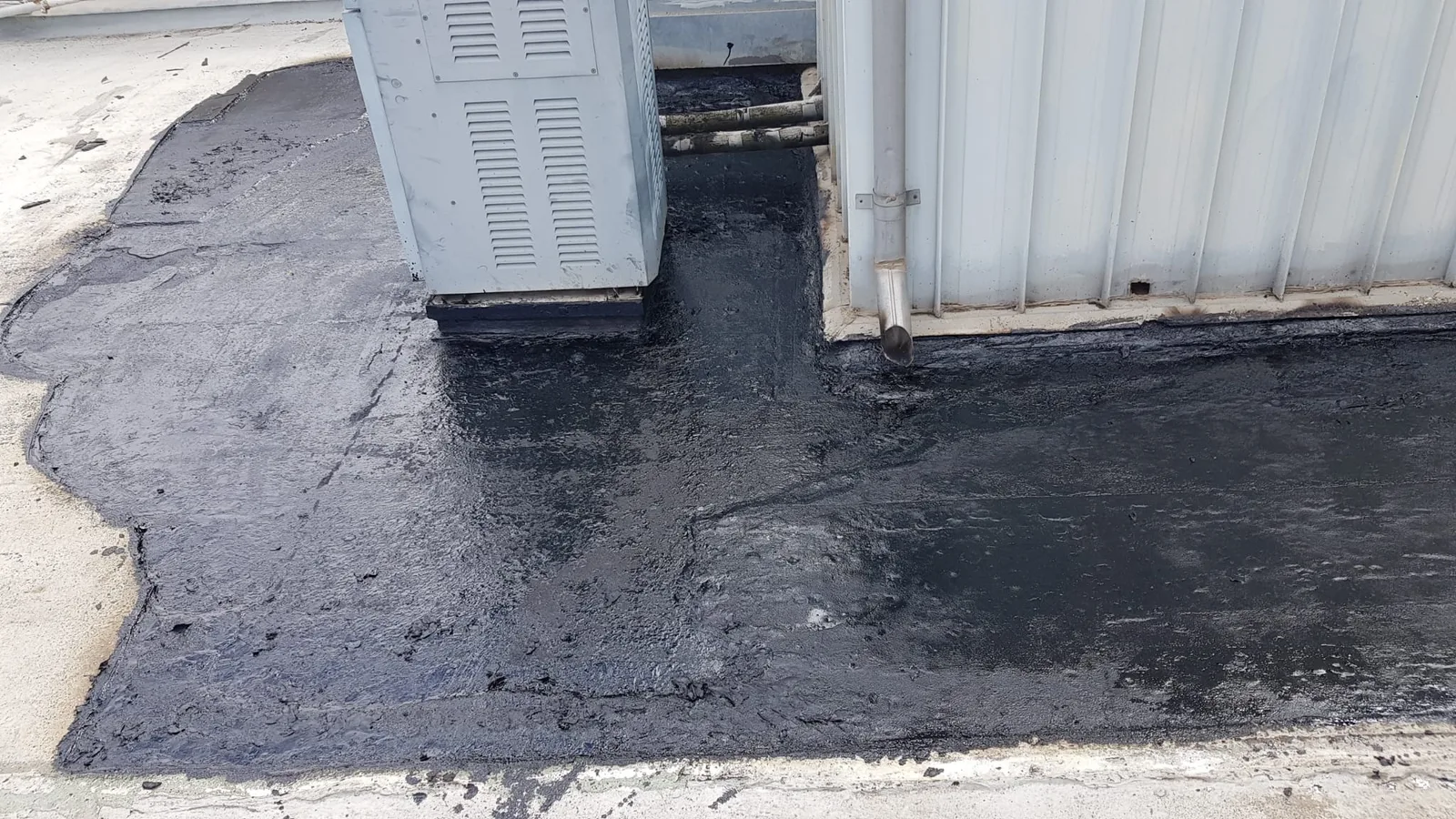
Every layer came off the critical area. With the build-up gone the falls had to be rebuilt, so an engineered screed went in with waterproofing both under and over it, and the junctions and penetrations were detailed properly.
- 04
Finished, and isolated
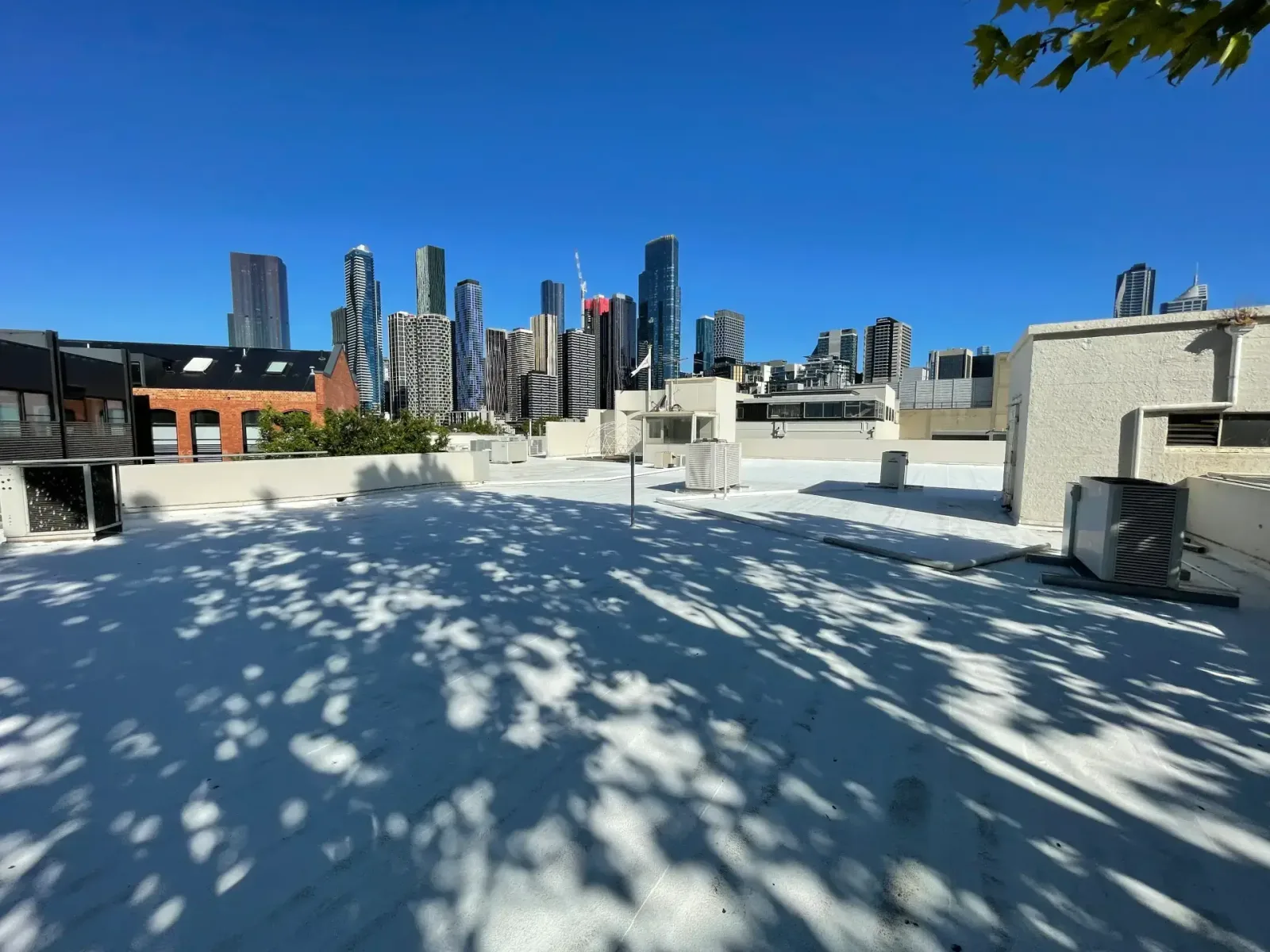
A waterstop system between the two zones, so the sections still awaiting work cannot damage the section that is done.
The outcome
The critical area is fixed at the substrate rather than covered over, the falls drain, and the areas still awaiting work are isolated from the ones that are done.