
5 min read
Who Pays for Water Damage in Strata? Owner or OC
Whether the owners corporation or the lot owner pays for water damage in Victorian strata comes down to the source. Here is how responsibility is decided.
The most common dispute in strata
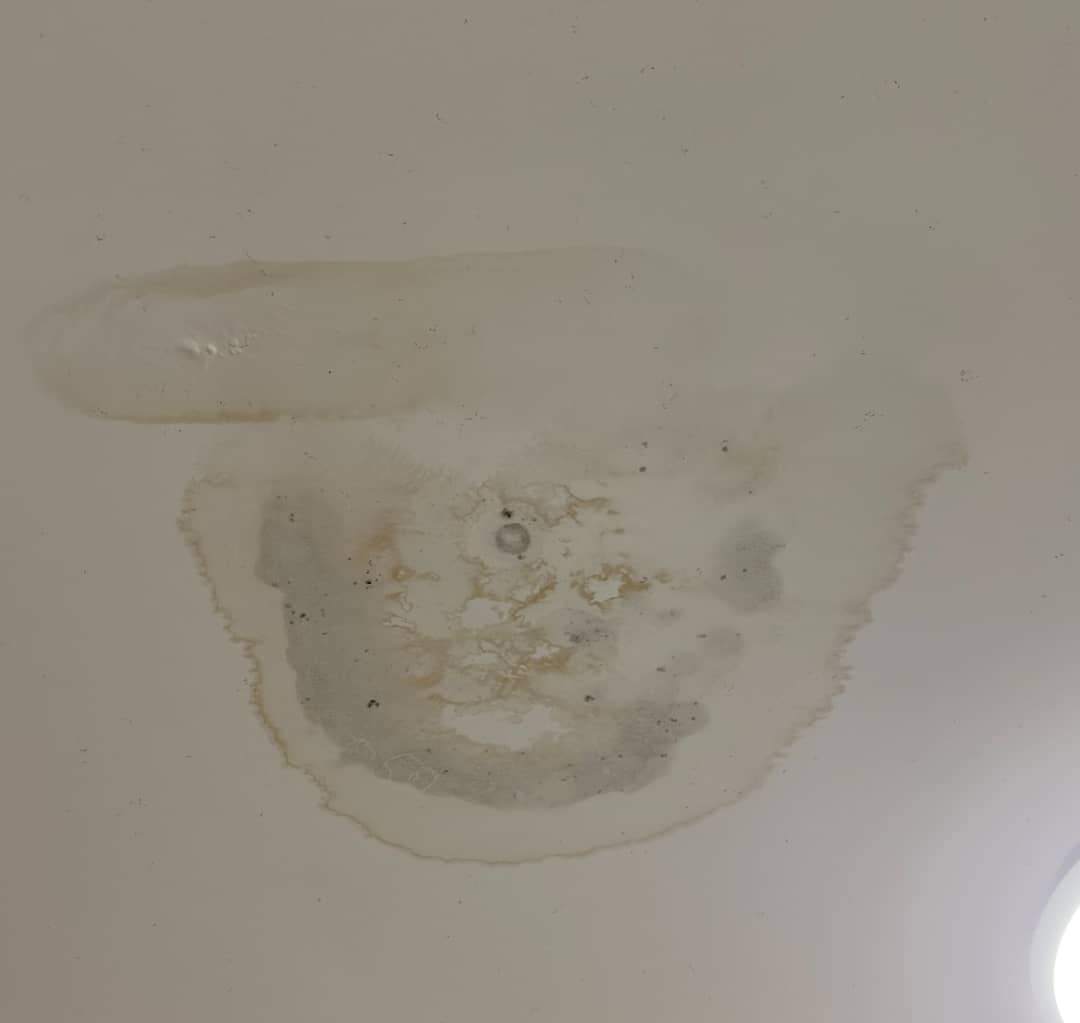
Water damage is one of the most frequent, and most argued about, problems in Victorian apartment buildings. A leak appears, damage spreads, and before anyone has even worked out where the water is coming from, the question everyone wants answered is the same: is this the owners corporation's cost, or the lot owner's?
The frustrating truth is that there is no single answer that covers every situation. Responsibility depends on where the water originates and how your building's plan of subdivision is set up. This guide explains the general framework in Victoria, so whether you are a lot owner, a committee member or a strata manager, you can understand how responsibility is actually decided.
The basic principle: responsibility follows the source
In Victoria, the Owners Corporations Act 2006 sets the foundation. The owners corporation is responsible for repairing and maintaining common property, while lot owners are responsible for their own lot. So the key question in any water damage situation is not who is affected by the leak, but where the water is actually coming from.
Put simply: if the source of the water is common property, the owners corporation is generally responsible. If the source is within a private lot, the lot owner is generally responsible, even if the damage shows up in someone else's apartment. Liability follows the source, not the symptom.
The apartment with the damage is often not the apartment responsible for the leak. What matters is where the water originates, not where it appears.
What counts as common property?
Common property is the shared structure and services of the building, the parts that belong to everyone rather than to a single lot. While every building's plan of subdivision defines this precisely, common property typically includes the structural elements and shared services, such as the roof, external walls, the structural slabs between floors, common drainage and any pipe that services more than one lot.
If water damage is traced to one of these shared elements, for example a leaking common drainage pipe or a failure in the building's structure, it is generally the owners corporation's responsibility to repair, and often to repair the resulting damage as well.
What counts as lot property?
Lot property is what falls within an individual owner's boundary. This usually includes internal fixtures and finishes, and, importantly for water damage, often the tiles, screed and waterproofing membrane inside the lot's own wet areas. So a leak caused by a failed shower membrane inside a bathroom is commonly the lot owner's responsibility, even when the water ends up damaging the apartment below.
The grey area: waterproofing membranes
The single most contested element is the waterproofing membrane, because it often sits right at the boundary between common property and lot property, and different buildings treat it differently. As a general guide, supported by past tribunal decisions, the picture usually looks like this:
- Balcony membranes are more often an owners corporation responsibility, because the membrane protects the common-property structural slab. We cover this in detail in our guide on who pays for a leaking balcony in Victorian strata.
- Internal bathroom and shower membranes are more often the lot owner's responsibility, because they sit within the lot. We explain this in our guide on who pays when a shower leaks into the apartment below.
- Common-area leaks, such as car parks, lobbies, roof terraces and shared gardens, are clearly the owners corporation's responsibility.
Because the membrane sits on the boundary, this is exactly where disputes arise, and exactly why the source has to be properly established before responsibility can be settled.
Why the plan of subdivision matters
There is no universal rule, because how common property and lot property are divided is set out in each building's plan of subdivision, and it varies from building to building. Some plans define boundaries as "median" (running through the middle of a wall or floor), others differently. This is why two seemingly identical leaks in two different buildings can have different answers. Anyone who tells you "the owners corporation always pays" is oversimplifying, the plan of subdivision, alongside the confirmed source, is what decides it.
Where insurance fits in
Insurance often runs alongside the responsibility question. The owners corporation typically holds a building insurance policy that may cover resulting damage, while lot owners are responsible for their own contents. Importantly, insurance usually covers the resulting damage rather than fixing the cause of the leak, and policies commonly exclude gradual deterioration, wear and tear, and building defects. So establishing the cause matters for insurance too, not just for who pays.
Why you cannot answer "who pays" until you find the source
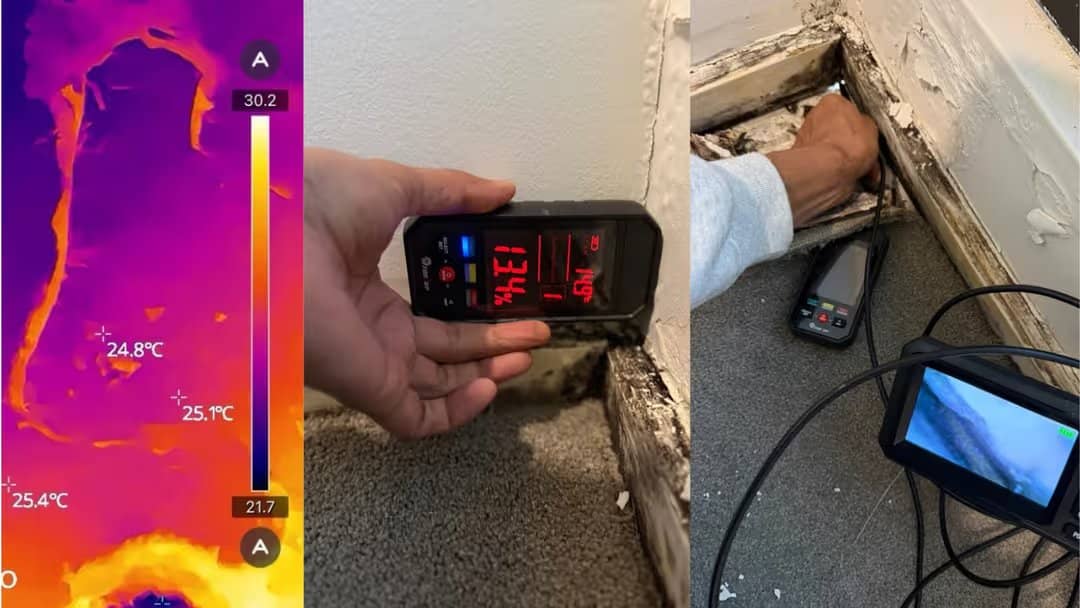
This is the heart of every one of these disputes. The responsibility question simply cannot be resolved until the source of the water is properly identified, and the source is often not obvious. Water travels, so the damage rarely sits directly beneath the actual point of failure. It takes a proper investigation to confirm whether the water is coming from common property, a specific lot, a shared pipe or a failed membrane.
This is why so many strata water disputes drag on for months. Everyone argues about who pays before anyone has established where the water is genuinely coming from. Once the source is confirmed with evidence, and checked against the plan of subdivision, the responsibility question usually answers itself. You can read more about how leak detection finds the real source.
Next steps if you are dealing with water damage in strata
If you are in the middle of one of these, here is the practical order to work through it.
- Report it to the owners corporation in writing, with photographs, so it is on record and the OC can begin investigating.
- Get the source properly diagnosed. An independent assessment that identifies where the water is genuinely getting in is the single most important step, and it is what settles the argument.
- Check the plan of subdivision against the confirmed source, to determine whether it sits in common property or a lot.
- Establish the cause, whether it is age, a defect or damage, as this affects both responsibility and any insurance response.
- Fix the cause, not just the damage, so the leak does not simply return and reopen the whole dispute.
How Advance Waterproofing can help
We specialise in finding where water is genuinely getting in, and documenting it clearly, which is exactly what an owners corporation, committee or insurer needs to settle responsibility. As registered building practitioners, we then carry out the full repair, the waterproofing and any associated concrete, tiling and repairs, as one accountable contractor.
If you are dealing with water damage in a strata building and need the source found and the dispute settled, we offer free on-site assessments across Melbourne. Book a free assessment and we will identify exactly where the water is coming from.
This article is general information only and is not legal advice. Responsibility for water damage in Victorian strata depends on your plan of subdivision and the specific facts, and should be confirmed case by case. Where a dispute cannot be resolved, independent legal or strata advice may be needed.