
6 min read
Shower Leaking Into the Apartment Below? Who Pays in Victoria
When a shower leaks into the unit below, who pays in Victorian strata depends on the source. Here is how responsibility is decided, and why it matters.
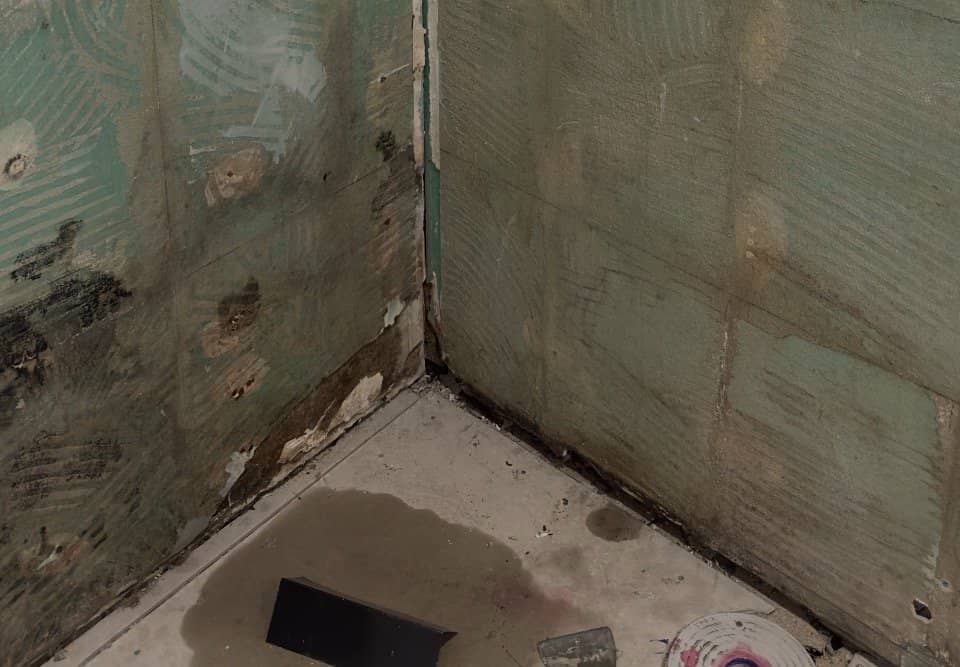
The leak that starts a dispute
Only a few things cause more tension in an apartment building faster than a shower leaking into the unit below. The owner downstairs has a stained, sagging ceiling and wants it fixed. The owner upstairs believes they did nothing wrong, and does not see why it is their problem. The owners corporation gets dragged in to referee. And the first question everyone asks is the hardest one to answer: who pays for it?
In Victoria, the answer is not automatic, and it is not always the owners corporation. It depends on where the water is actually coming from. This article explains how responsibility is decided when a shower leaks into the apartment below, why it so often turns into a dispute, and the one step that settles it.
Why shower leaks show up in the apartment below
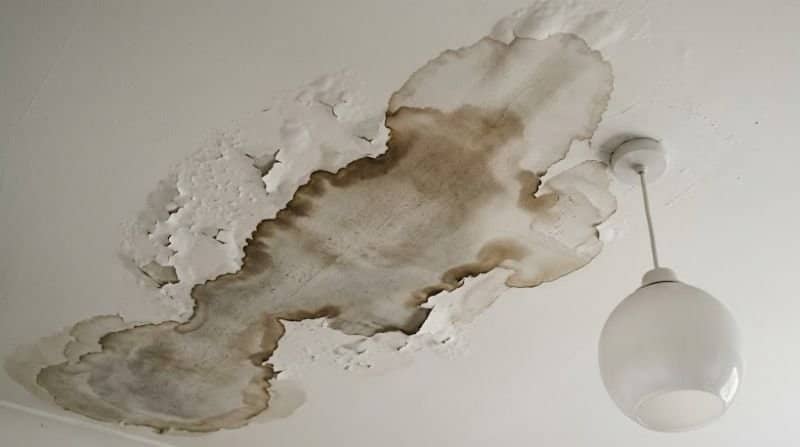
A shower is used every day, and every time it sends water onto the floor and into the walls of the wet area. The only thing stopping that water reaching the structure is the waterproofing membrane beneath the tiles. When that membrane fails, water passes through, soaks into the floor, and travels down until it reaches the ceiling of the apartment below, where it shows up as a stain, bubbling paint, or a dripping mess.
This is why shower leaks are one of the most common sources of water damage between apartments. Unlike a balcony, which only leaks when it rains, a failed shower membrane leaks a little every single day, so the damage below builds steadily and often gets serious before anyone connects it to the bathroom above.
The key question: where is the water actually coming from?
In Victorian strata, responsibility for a repair is decided by where the leak originates, not by who is affected by it. Liability follows the source. So before anyone can say who pays, the source has to be identified. Broadly, there are two possibilities.
If the source is common property
Some parts of a building are common property, shared structure and services that the owners corporation is responsible for maintaining under the Owners Corporations Act 2006. If a leak comes from a common-property element, for example a shared pipe or drainage stack that services more than one lot, the owners corporation is generally responsible for the repair.
If the source is within the lot
Other elements sit within a private lot and are the lot owner's responsibility. This is where shower leaks get complicated, because in Victoria a lot owner is generally responsible for the tiles, grout, screed and waterproofing membrane within their own lot. So where a shower leak is caused by a failed bathroom membrane inside the upstairs lot, responsibility for fixing it, and often for the resulting damage below, generally falls on the upstairs owner, not the owners corporation.
This is the part that surprises people. A failed shower membrane inside a lot is usually the lot owner's responsibility, even though the damage appears in someone else's apartment.
It is worth noting this differs from a balcony leak, where the membrane often protects the common-property structural slab and is more likely to be an owners corporation responsibility. Bathrooms and balconies are not treated the same way, which is one reason these disputes get confused. You can read more in our guide on who pays for a leaking balcony in Victorian strata.
Why it always depends on the plan of subdivision
There is no single rule that covers every building. How common property and lot property are divided is set out in each building's plan of subdivision, and it can vary. Some plans treat certain elements differently, so the only way to be certain is to check the specific building's plan alongside the confirmed source of the leak. Anyone who tells you "the owners corporation always pays" or "it is always the owner" is oversimplifying.
Why you cannot decide who pays until you find the source
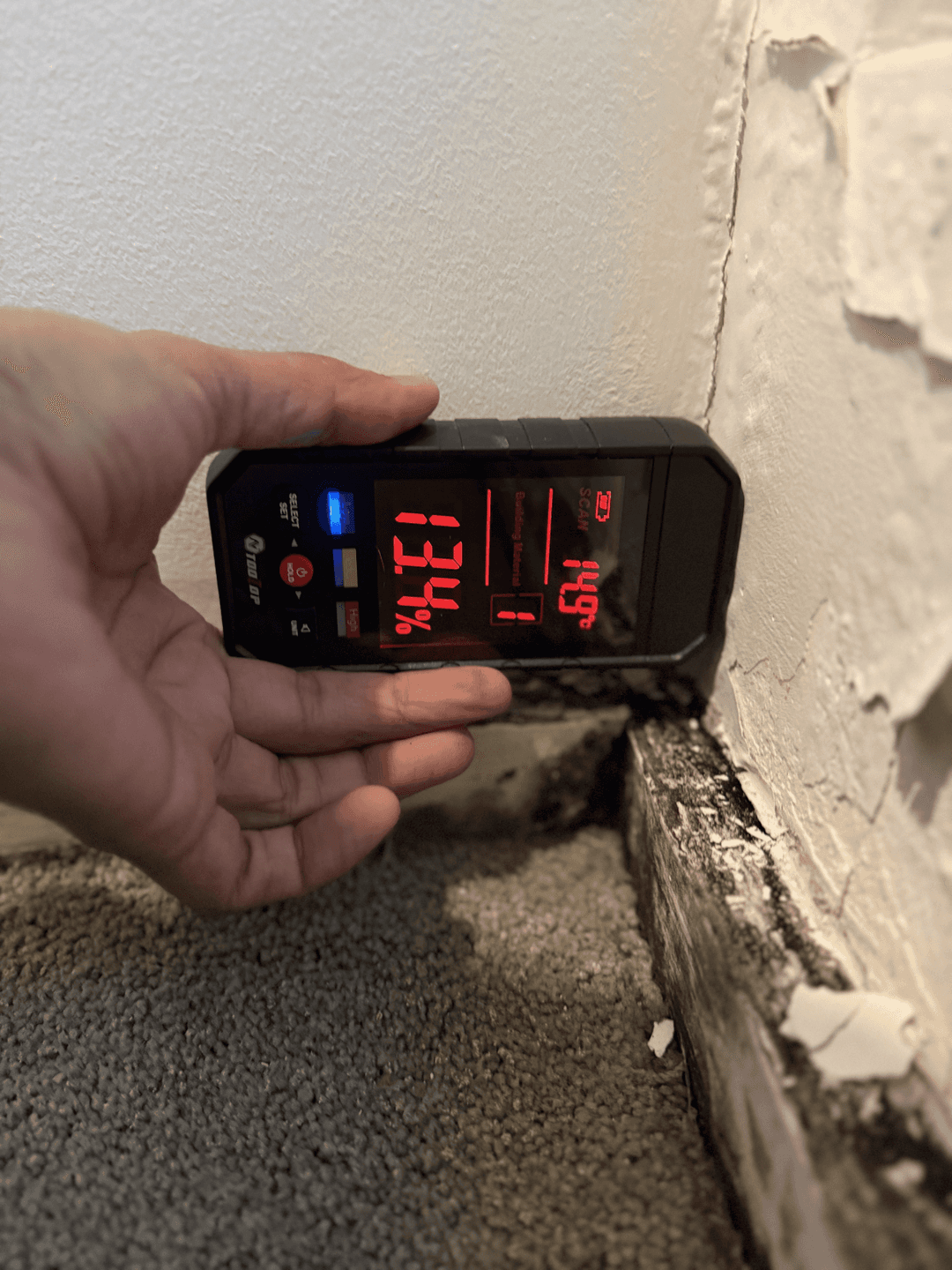
This is the heart of the problem. The who-pays question cannot be answered until the source of the leak is properly identified, and the source is often not obvious. Water travels, so the stain in the apartment below is not always directly under the actual point of failure. It takes a proper investigation to confirm whether the water is coming from the shower membrane, a pipe, a common-property element, or something else entirely.
This is exactly why so many of these disputes drag on. Everyone argues about who pays before anyone has established where the water is genuinely coming from. Once the source is confirmed with evidence, the responsibility question usually answers itself, and the argument has nowhere left to go.
What to do if a shower is leaking into the apartment below
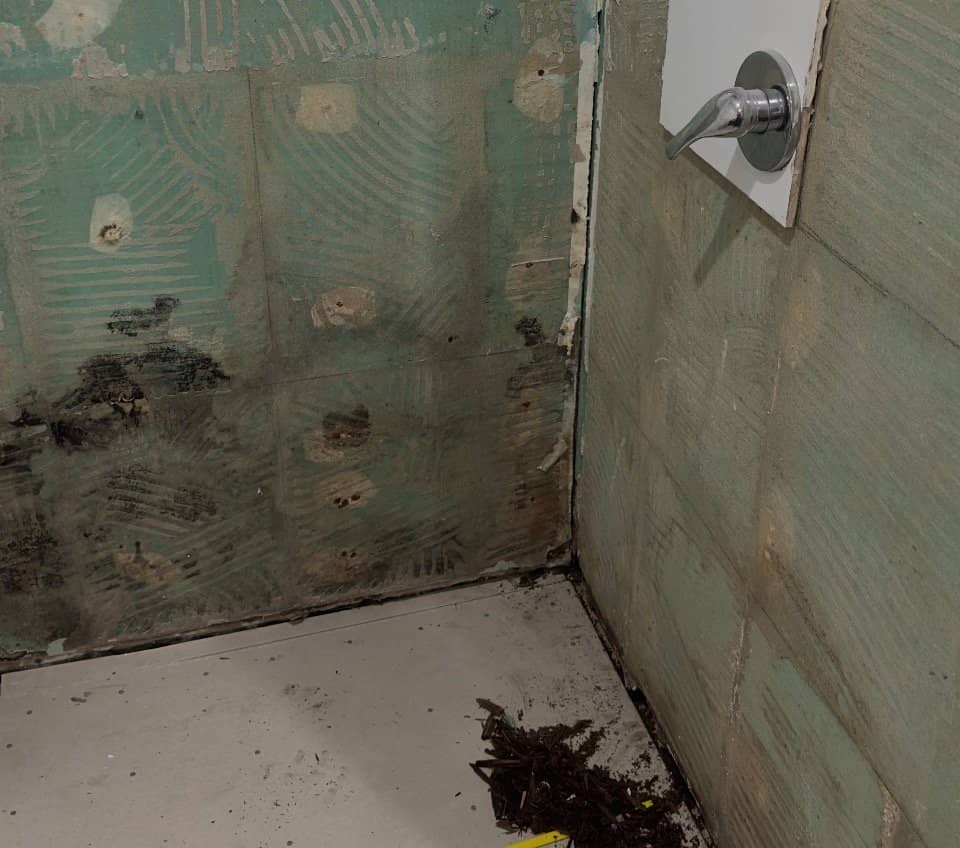
If you are dealing with one of these, the most useful thing you can do is stop arguing about responsibility and get the source properly diagnosed first. A clear, documented finding of where the water is coming from does two things at once: it identifies the repair that will actually work, and it settles who is responsible, with evidence rather than opinion.
Next steps if you are dealing with this
If a shower is leaking into the apartment below right now, here is the practical order to work through it.
- Report it to the owners corporation in writing. Put it in writing with photographs of the damage, so the issue is on record and the owners corporation can begin investigating.
- Check the plan of subdivision. This is what defines common property versus lot property for your specific building, and it is the starting point for any responsibility question.
- Get a leak detection report. Have the source properly identified and documented, because responsibility cannot be fairly decided until everyone knows where the water is actually coming from. You can arrange this through our leak detection service. We provide full forensic leak investigations by utilising professional leak detection equipment such as cavity cameras, thermal cameras and flood tests.
- Use the findings to resolve responsibility. Once the source is confirmed against the plan of subdivision, the who-pays question usually answers itself, and any claim or repair can proceed.
- Fix the cause, not just the damage. Repair the actual source of the leak, then make good the damage below, so it does not simply return. If you engage a waterproofer that is not qualified they may try to slap on a membrane over the leak, however this may make the leak worse so it is always important to engage a qualified, insured and licensed waterproofer.
How Advance Waterproofing can help
We specialise in finding where water is genuinely getting in, then fixing it properly. For a shower leaking into the apartment below, we trace the leak to its true source, whether that is the membrane, a junction or a pipe, and document it clearly, which is exactly what an owners corporation, committee or insurer needs to settle responsibility. As registered building practitioners, we can then carry out the full repair, including the waterproofing and any associated tiling and making good.
If you have a shower leaking into the unit below and need the source found and the dispute settled, we offer free on-site assessments across Melbourne. Book a free assessment and we will identify exactly where the water is coming from.
This article is general information only and is not legal advice. Responsibility for water leaks in Victorian strata depends on the plan of subdivision and the specific facts, and should be confirmed case by case. Where a dispute cannot be resolved, independent legal advice may be needed.