
Leak detection and reporting in Melbourne
Don't guess where the water is coming from. We pinpoint the source with moisture mapping and thermal imaging, so the repair is targeted instead of speculative.
Most leaks we are called to have already been sealed once or twice by someone who never established where the water was entering. Finding that first is the whole job.
Our detection methods
Visual Inspection
Comprehensive assessment of balcony surfaces, drainage, joints and waterproofing details
Moisture Mapping
Electronic moisture detection to identify water-affected areas beneath tiles and finishes
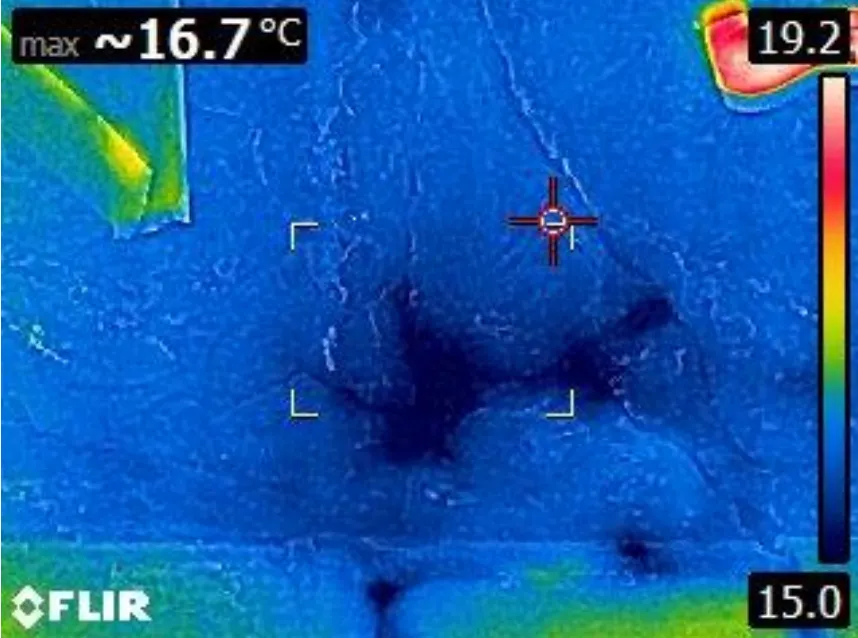
Thermal Imaging
Infrared technology to locate moisture pathways and hidden leaks non-invasively
Detailed Reporting
Clear documentation with photos, findings, root causes and practical repair recommendations

Why choose our detection service
- Accurate identification of leak sources
- Non-invasive moisture detection
- Detailed photographic evidence
- Clear repair scope and cost estimates
- Compliance with building standards
- Expert analysis and recommendations
Professional reporting: every inspection includes a report with high-resolution photos, moisture readings, root cause analysis and a scope of works for rectification.
Frequently asked questions
Finding the source of a leak requires proper investigation rather than guesswork, because water rarely comes out where it gets in. We use thermal imaging, moisture mapping, cavity cameras and controlled flood testing to trace water back to its true entry point. Only once the source is confirmed can the repair be targeted accurately.
How leak detection finds the real sourceCommon signs include water stains on ceilings or walls, damp or musty smells, bubbling or peeling paint, efflorescence (white mineral deposits), drummy or lifting tiles, and cracked or failing sealant around junctions. These often appear well away from where the water is actually entering, so the visible sign is rarely the source.
We carry out waterproofing remediation across balconies, terraces, rooftops, podiums, planter boxes, basements, retaining walls and internal wet areas. Water ingress in any of these areas can be traced and rectified, along with any associated building repairs the job requires.