
5 min read
Why Is My Apartment Ceiling Leaking When It Rains?
If your apartment ceiling leaks only when it rains, the problem is water getting in from outside, not a burst pipe. Here are the common causes and who to call.
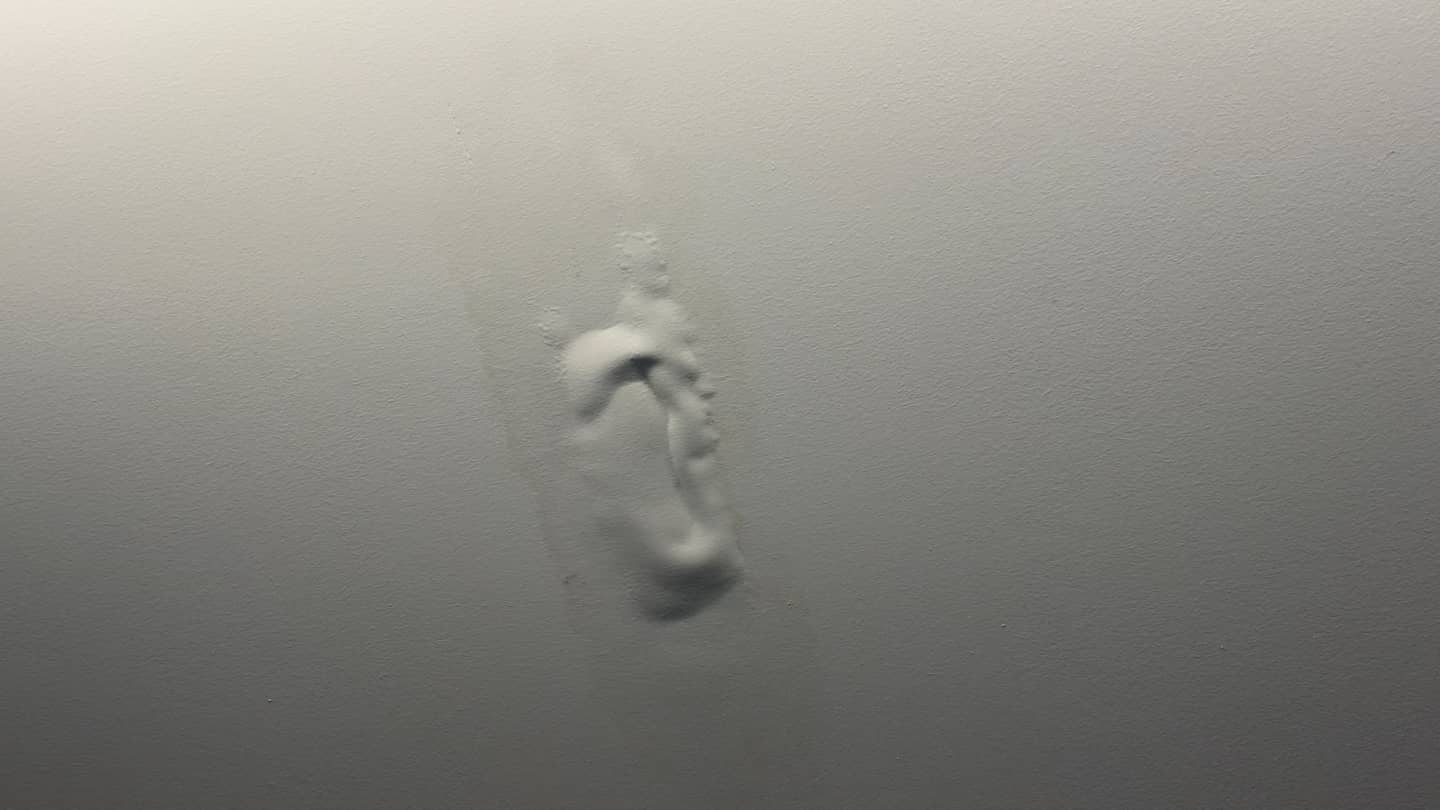
Leaking only when it rains tells you a lot
A ceiling that leaks when it rains, then stops and dries out when the weather clears, is giving you the single most useful clue there is. It means the water is getting in from outside the building, not from a pipe.
Plumbing leaks do not care about the weather. A burst pipe or a leaking waste line drips whether it is sunny or pouring. So if the stain only appears, spreads or drips during or just after rain, you are almost certainly dealing with water ingress through the building envelope: the roof, a balcony, a wall or a failed waterproofing membrane somewhere above you. That is a different problem, with a different fix, and usually a different person responsible for it.
Here are the common causes in an apartment, roughly in the order we find them.
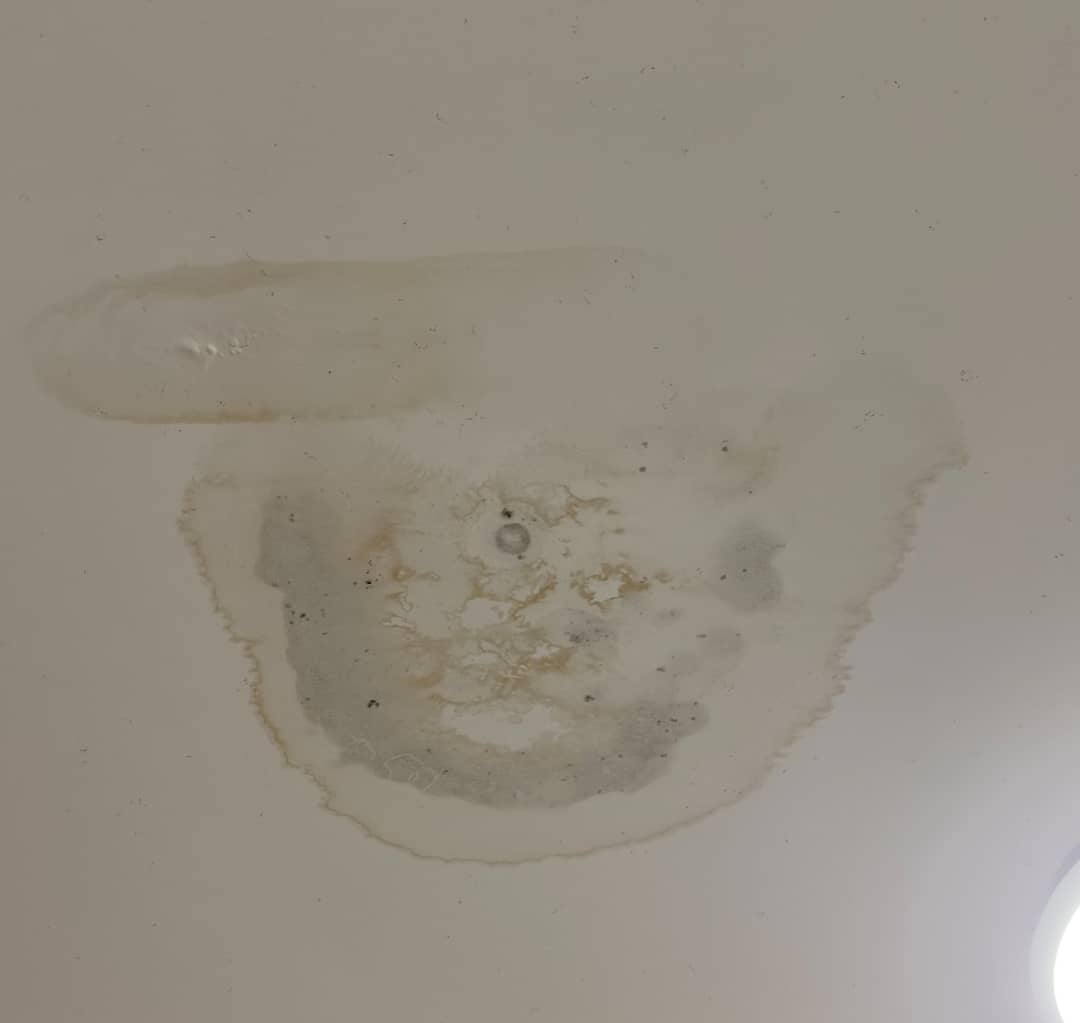
If you are on the top floor: the roof or flashing
If you are in a top-floor apartment, the first suspect is the roof directly above you. Flat and low-pitch roofs are common on apartment buildings, and they rely on a waterproofing membrane rather than tiles to keep water out. When that membrane ages, cracks or lifts at the edges, rain pools and finds its way through.
Just as often it is the flashings, the metal or membrane junctions where the roof meets a wall, a parapet, a skylight or a service penetration. These junctions are where most roof leaks actually start, and wind-driven rain pushes water into gaps that a calm day would never reveal. That is why the leak can seem random: it only shows up when the rain comes from a particular direction.
Blocked or overwhelmed drainage
This one is behind a lot of "it only leaks in heavy rain" cases. Box gutters, roof drains, balcony outlets and downpipes all have a limit. When they are blocked with leaves and debris, or simply undersized for a big downpour, water backs up, rises above the waterproofing, and overflows into the structure instead of draining away.
The tell is that the leak appears in heavy rain but not in light drizzle. Light rain drains fine, a downpour backs up and finds a way in. Clearing drains and outlets is cheap, and it is always worth checking before anything bigger.
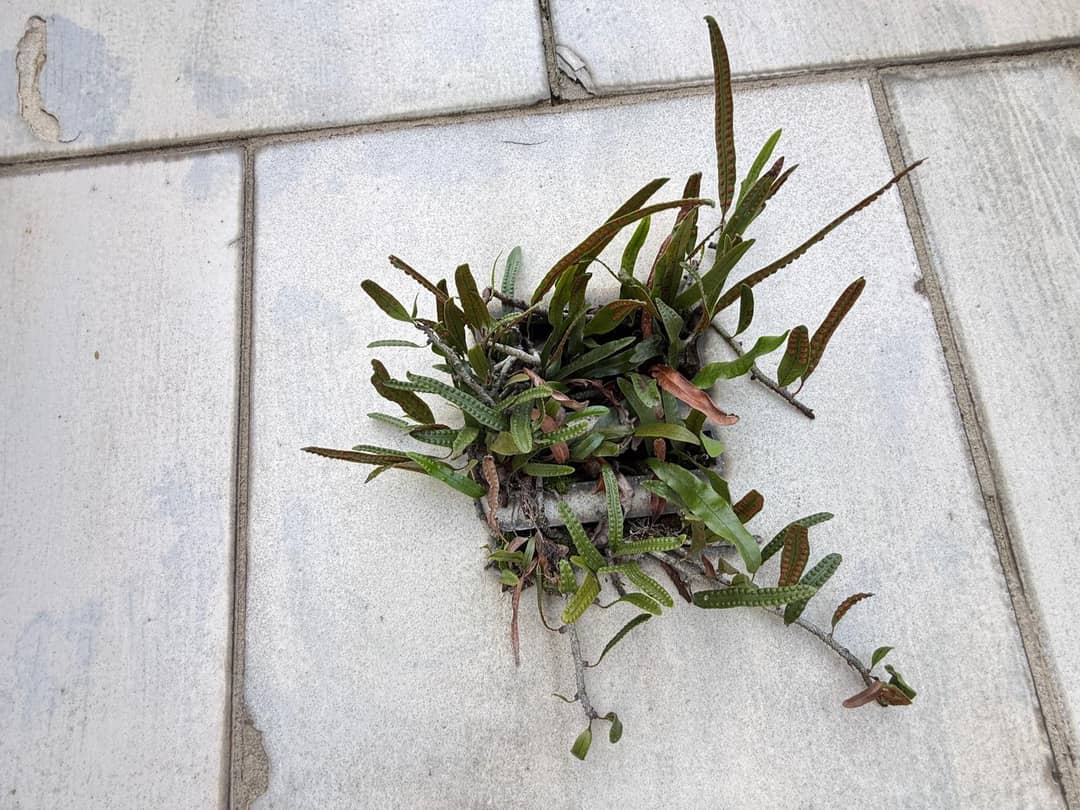
A balcony or terrace above you
If there is a balcony, terrace or podium above your ceiling, that is a very common source. Balcony waterproofing fails over time, the membrane under the tiles cracks, and rainwater soaks through, travels across the slab and drops into the apartment below. It often shows up near a wall or a window rather than directly under the balcony, because water runs along the structure before it finds a way down.
This is one of the most common leaks we are called to in strata buildings, and it is also one of the most argued-over, because the balcony belongs to the apartment above but the damage lands in yours.
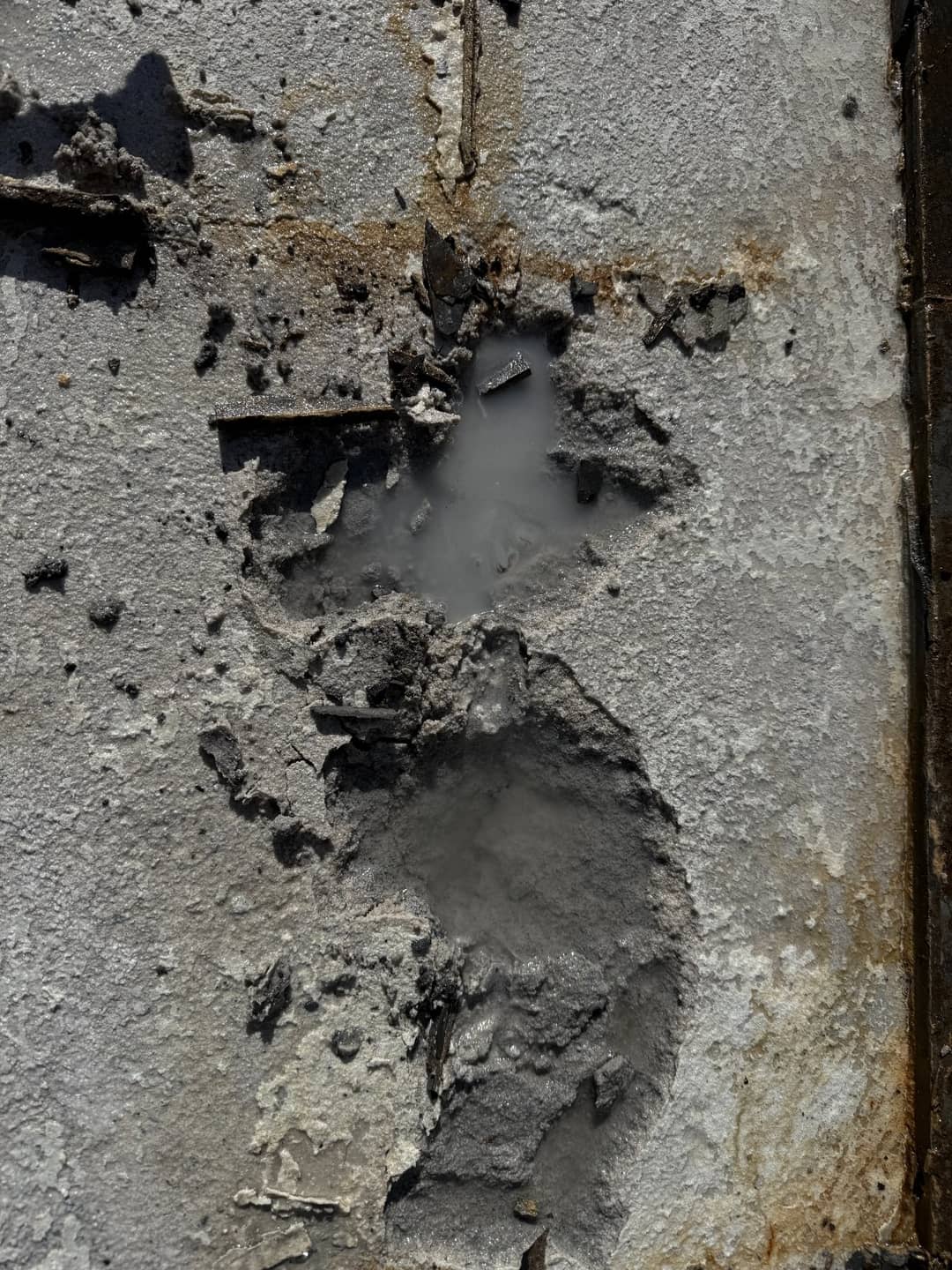
Cracked render, facade or window perimeters
Water does not only come from above. Wind-driven rain gets in through cracked external render, failed sealant around windows and doors, tired expansion joints and gaps in the facade. On a wall exposed to driving rain, even a hairline crack is enough. This is why a leak can appear high on a wall or around a window frame rather than in the middle of the ceiling.
Parapet walls, the low walls around a roof edge, are another classic. They cop weather on both sides and their capping and junctions are a frequent entry point.
Why the leak is never quite where the stain is
Here is the part that catches people out, and the reason a quick patch so often fails. Water almost never comes through directly below where it got in. It enters at one point, travels along the underside of the slab, through cavities and across the ceiling, then drops out at the lowest or weakest spot it reaches. By the time it stains your ceiling, the real entry point can be metres away, often in a completely different part of the building.
That is why sealing the stain, or painting over it, does nothing. The water just finds the next path and the leak comes back with the next storm. If this has already happened to you, we explain the pattern in more detail in why your leak keeps coming back after it is repaired. Finding the true source is the whole job, and it takes proper leak detection rather than guesswork.
What to do right now
While the rain is still around, a few things genuinely help:
- Put a container under the drip and move anything valuable out of the way. If the ceiling is bulging with trapped water, a professional may need to relieve it safely to stop it collapsing.
- Photograph and date everything, the stain, the dripping, the weather. This is the evidence you will need later, especially in a strata building.
- Note exactly when it leaks: heavy rain only, wind from one direction, how long after the rain starts. It all helps pin down the cause.
- Do not just paint over it. The stain will come back, and you will have hidden the one clue to where the water is tracking.
- If you rent, tell your property manager in writing straight away. If you own in a strata building, report it to your owners corporation or strata manager, because the source is often common property.
Who is responsible for fixing it?
In an apartment or strata building, this is the question that decides who pays, and it usually comes down to where the water is getting in. If the source is common property, the roof, the facade, a common-area membrane, it is generally the owners corporation's responsibility. If it is coming from inside the apartment above, it may fall to that lot owner. The grey area is often the waterproofing membrane, and the plan of subdivision and the actual source decide it.
You cannot settle any of that until you know where the water is genuinely coming from, which is exactly why the cause has to be found first. We cover how responsibility is split, with the Victorian rules, in who pays for a leaking balcony in strata.
Get the cause found before the next storm
A ceiling that leaks in the rain only gets worse. Each storm pushes more water into the structure, and what starts as a stain can reach the plaster, the insulation and eventually the framing. The cheapest time to deal with it is now, while it is still just a leak.
If your apartment ceiling is leaking when it rains, we find where the water is actually getting in and fix the cause, not just the stain. We offer free on-site assessments across Melbourne. Get in touch with Advance Waterproofing and we will come and take a look.