
5 min read
Why Your Leak Keeps Coming Back After It Is Repaired
A leak that keeps returning after repairs is a sign the real source was never found. Here is why water travels, and how to fix it for good.
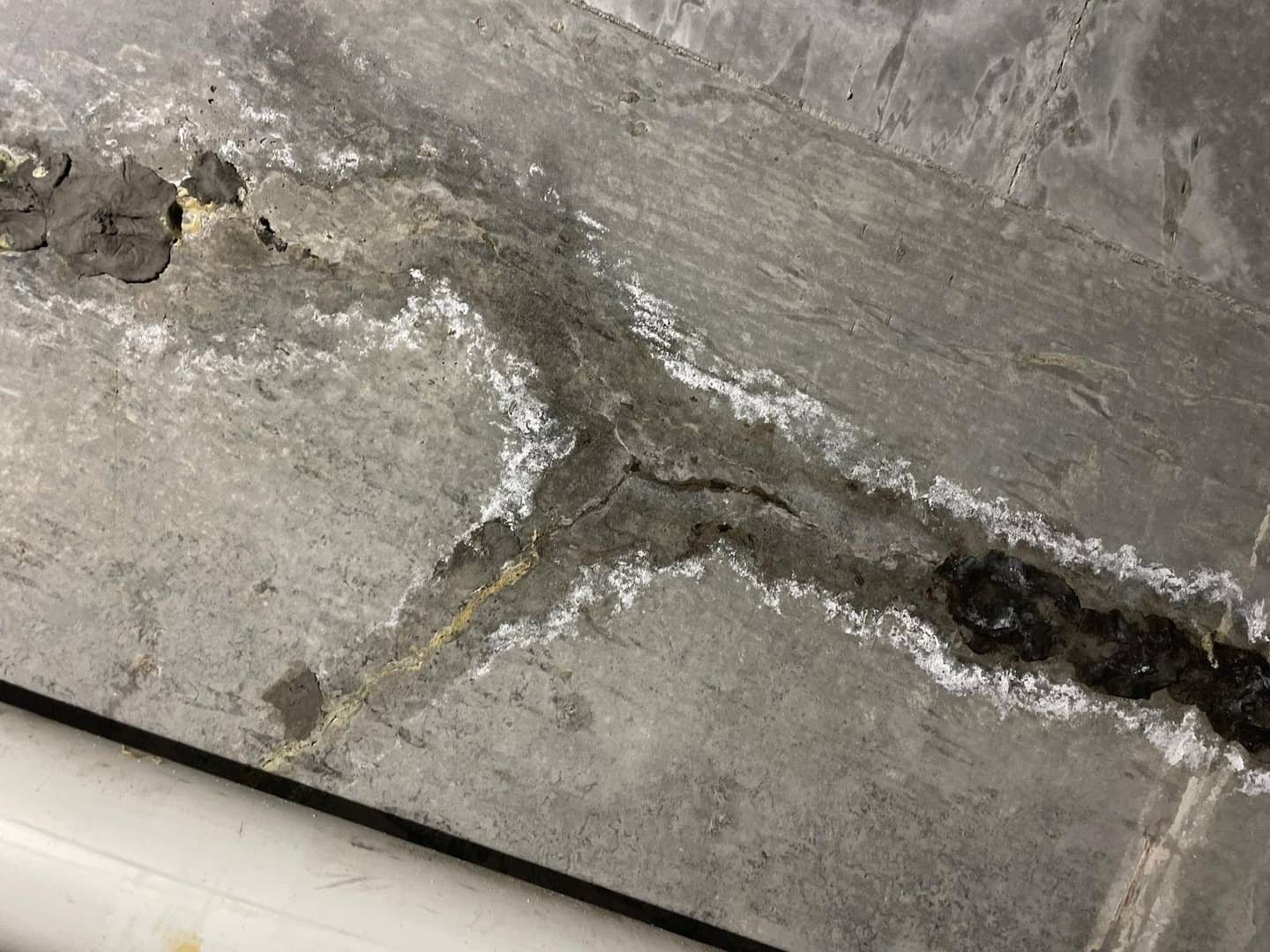
The leak you fixed was never the leak
You had a leak. You had it repaired. For a while it seemed fine, and then the stain came back in the same spot, or a new one appeared close by. If that sounds familiar, you are not dealing with bad luck or a bad repair job. You are almost always dealing with a leak that was treated where it showed up, not where it was actually getting in.
This is the single most common reason waterproofing repairs fail in strata and commercial buildings. The water reappears because the real entry point was never found, and it was never found because water rarely comes out anywhere near where it goes in. Understanding why is the key to finally fixing it.
Water does not fall straight down
The instinct with any leak is to look directly above the stain. It makes sense. The water is coming out there, so the problem must be right above it. With water, that instinct is usually wrong.
Water that gets into a building does not drop straight down to the floor below. It follows the path of least resistance. It runs along the top of a concrete slab, tracks down a beam, moves under the screed or through the fall of a surface, and keeps going until it reaches the first weak point low enough to drop through. That drop point is where you see the stain.
The entry point, where the water actually got into the structure, can be metres away. On a roof it might be a failed parapet capping on the far side. On a balcony it might be a wall junction or a planter box one unit over. The water simply travelled until it found somewhere to come out.
The stain tells you where the water came out. It almost never tells you where it got in. That gap is the whole problem.
Why patching the stain always fails
Once you understand that water travels, it becomes obvious why repairing the spot above a stain does not work. You are sealing a part of the building where nothing is actually wrong. The membrane there may be perfectly sound. Meanwhile the real entry point, sometimes a long way off, is still open and still letting water in.
So the repair holds for a few weeks or a season, the sealed area does its job, and then the water simply finds the next path down and reappears. Often it comes back in a slightly different spot, which leads to another patch, and another, while the actual cause sits untouched.
This is how buildings end up with a history of repeated repairs to the same leak, each one done in good faith, none of them addressing the source. The cost adds up, the damage spreads behind the scenes, and the underlying failure gets worse the whole time.
The hidden cost of chasing the symptom
Every season a leak is left unresolved, the water keeps arriving and keeps causing damage. What starts as a stain can become saturated insulation, rotting timber, or corroding reinforcement in the concrete. A waterproofing problem that is repeatedly patched instead of properly traced can quietly turn into a structural one, which is a far larger and more expensive repair than the original leak ever was.
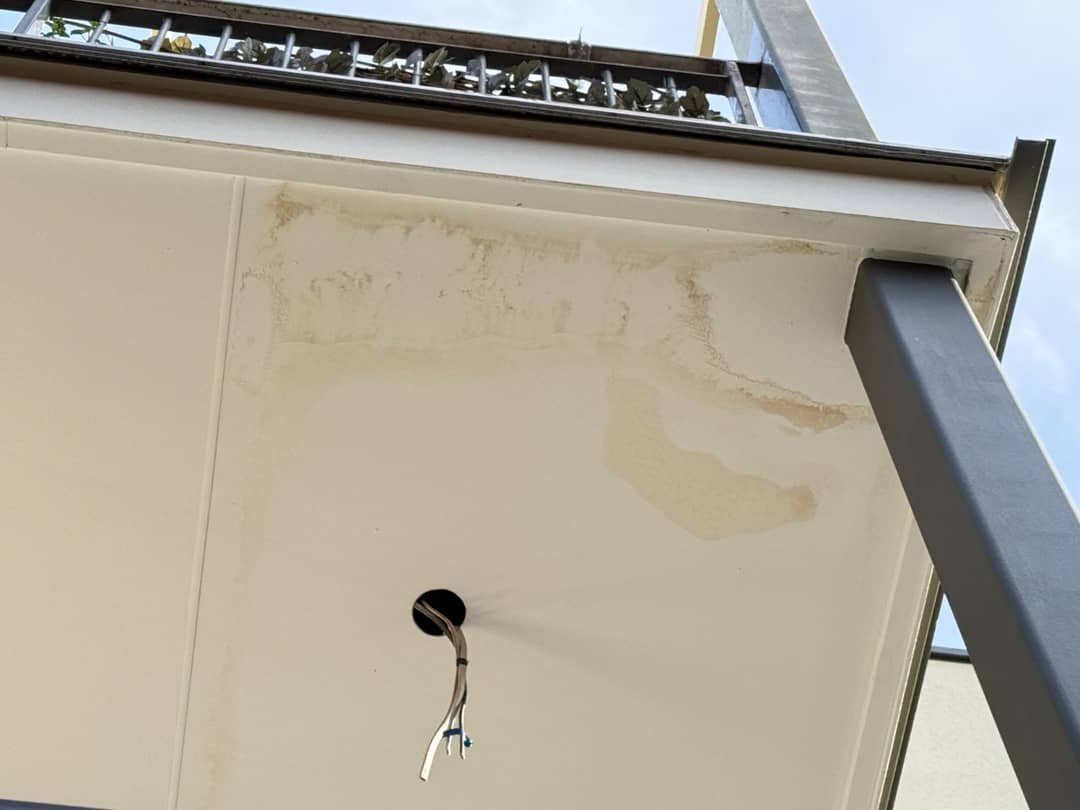
Finding a leak properly means working backwards
Fixing a recurring leak for good starts with abandoning the assumption that the source is above the stain. The correct approach is to work backwards: start where the water comes out and trace it upstream, against the path it travelled, until you reach the point where it is genuinely getting in.
That tracing is the part that takes time and skill, and it is the part that decides whether the repair actually holds. It is also the step that cheap or rushed repairs skip, because proper diagnosis costs time, and it is easier to just seal the visible stain and move on.
A proper leak investigation uses a few methods, but they are all doing the same thing: following the water back to its true source rather than trusting where it appeared.
| Method | What it does |
|---|---|
| Moisture mapping | Reveals where moisture is actually sitting inside a structure, often well away from the visible stain |
| Thermal imaging | Shows temperature differences that indicate the path water is travelling behind surfaces |
| Flood testing | Deliberately introduces water to confirm exactly where it enters and how it moves |
The point of all of them is the same: stop guessing, and find the entry point with evidence. Once you know where the water is truly getting in, the repair can be targeted at the actual failure, and it holds because there is nothing left feeding water into the building.
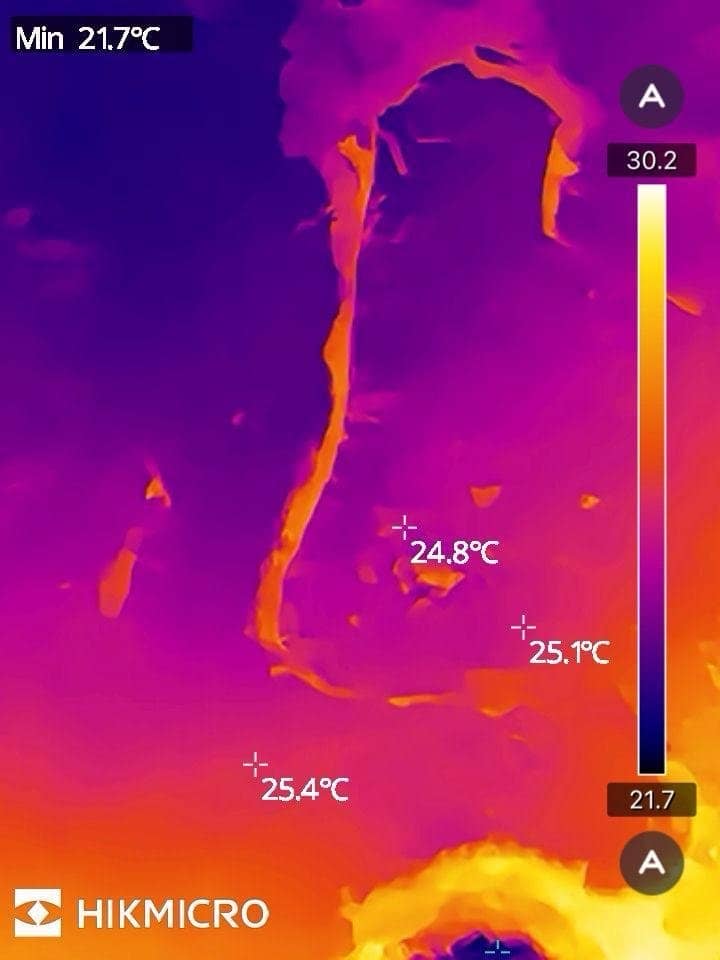
What this means for strata and building managers
If you manage a building with a leak that keeps returning, the most useful thing you can do is stop authorising repairs to the stain and commission a proper diagnosis of the source. It is almost always cheaper to find the entry point once than to keep paying for repeated patches that never hold, while the damage quietly compounds.
It also matters for allocating cost. In strata especially, where a leak crosses between common property and a lot, you cannot fairly decide who is responsible until you know where the water is actually getting in. Tracing the source does not just fix the leak, it ends the argument about who pays for it.
How Advance Waterproofing approaches a recurring leak
We specialise in remediation, buildings that are already leaking, rather than first-coat waterproofing on new work. When we are called to a leak that keeps coming back, we start by finding where the water is genuinely getting in, using proper investigation rather than treating the spot where it shows up.
Because we are a registered building practitioner, we can also carry out any associated repairs the fix requires, from concrete repair to tiling and making good, so the whole job is handled by one team. And where you need it documented for a committee or an insurance claim, we can provide a full report.
If you have a leak that has been "fixed" more than once and keeps returning, that is exactly the kind of problem we trace to its source. Book a free on-site assessment and we will work out where the water is actually coming from.
This article is general information only and is not a substitute for a site-specific assessment. Every building is different, and the cause of a leak should be confirmed on site.