
4 min read
Will Growing Plants Ruin My Balcony Waterproofing?
Plants do not have to wreck your balcony, but pots left on the membrane and built-in planters done wrong cause leaks. Here is how to do it safely.
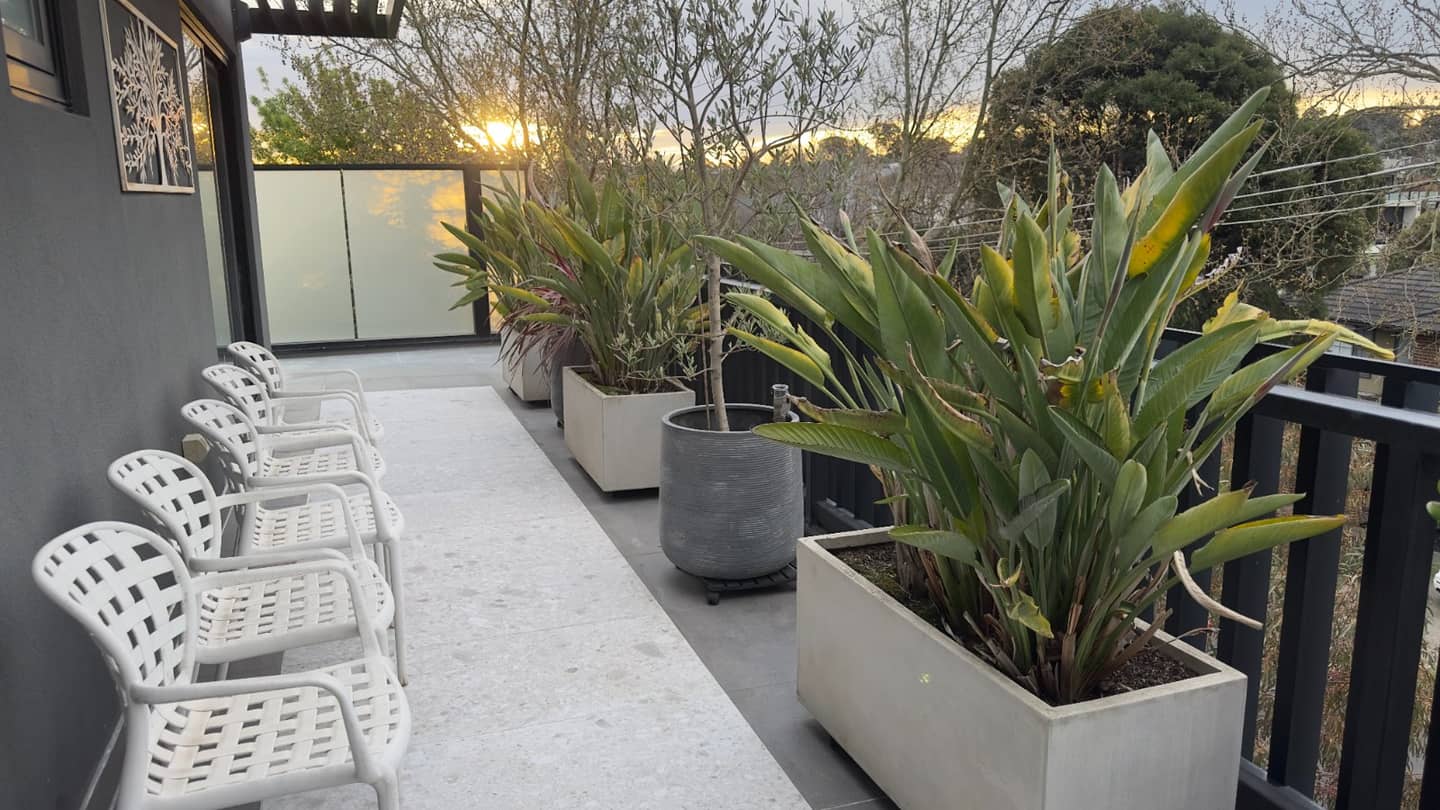
Can you grow plants on a balcony without wrecking the waterproofing?
Yes, you can. Plants themselves do not ruin balcony waterproofing. What causes the damage is how pots and planters are placed, watered and drained, and that is entirely within your control. Get it wrong and a balcony garden is one of the quietest ways to start a leak into the apartment below. Get it right and your waterproofing will not know the difference.
Here is how plants actually cause leaks, and how to enjoy your greenery without paying for it later.
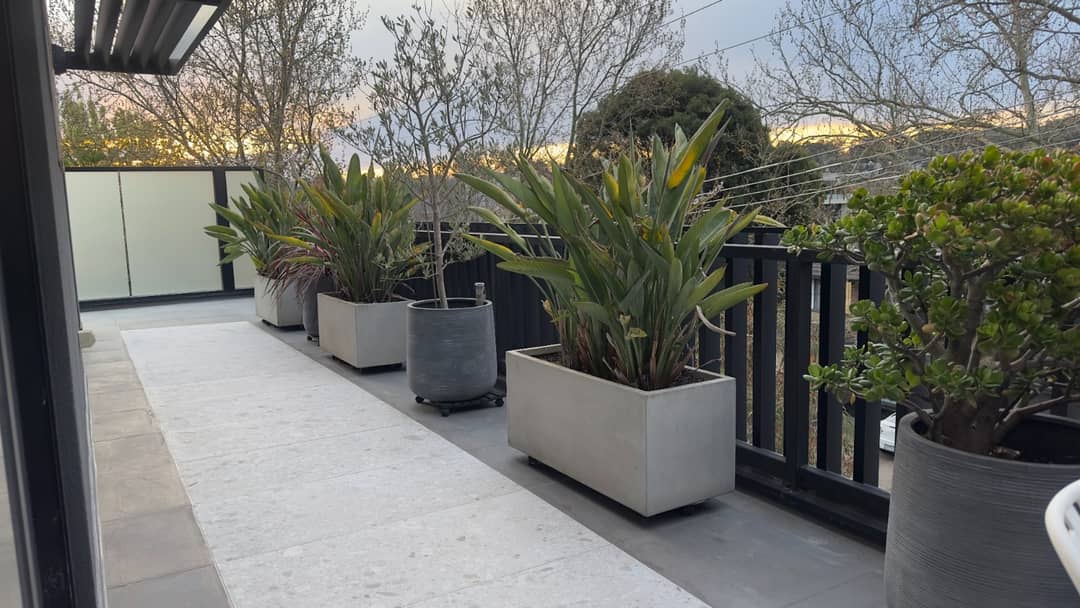
How plants and planters damage waterproofing
There are four main ways a balcony garden turns into a waterproofing problem.
Trapped moisture
This is the big one, and the one almost nobody thinks about. A pot sitting flat on the surface keeps the area underneath it permanently wet. Water never gets a chance to drain or dry, and that constant damp slowly breaks down whatever is under it, grout, sealant and the membrane itself. It also hides the damage, so by the time you move the pot and notice, the problem has been building for a long time.
Roots finding a way in
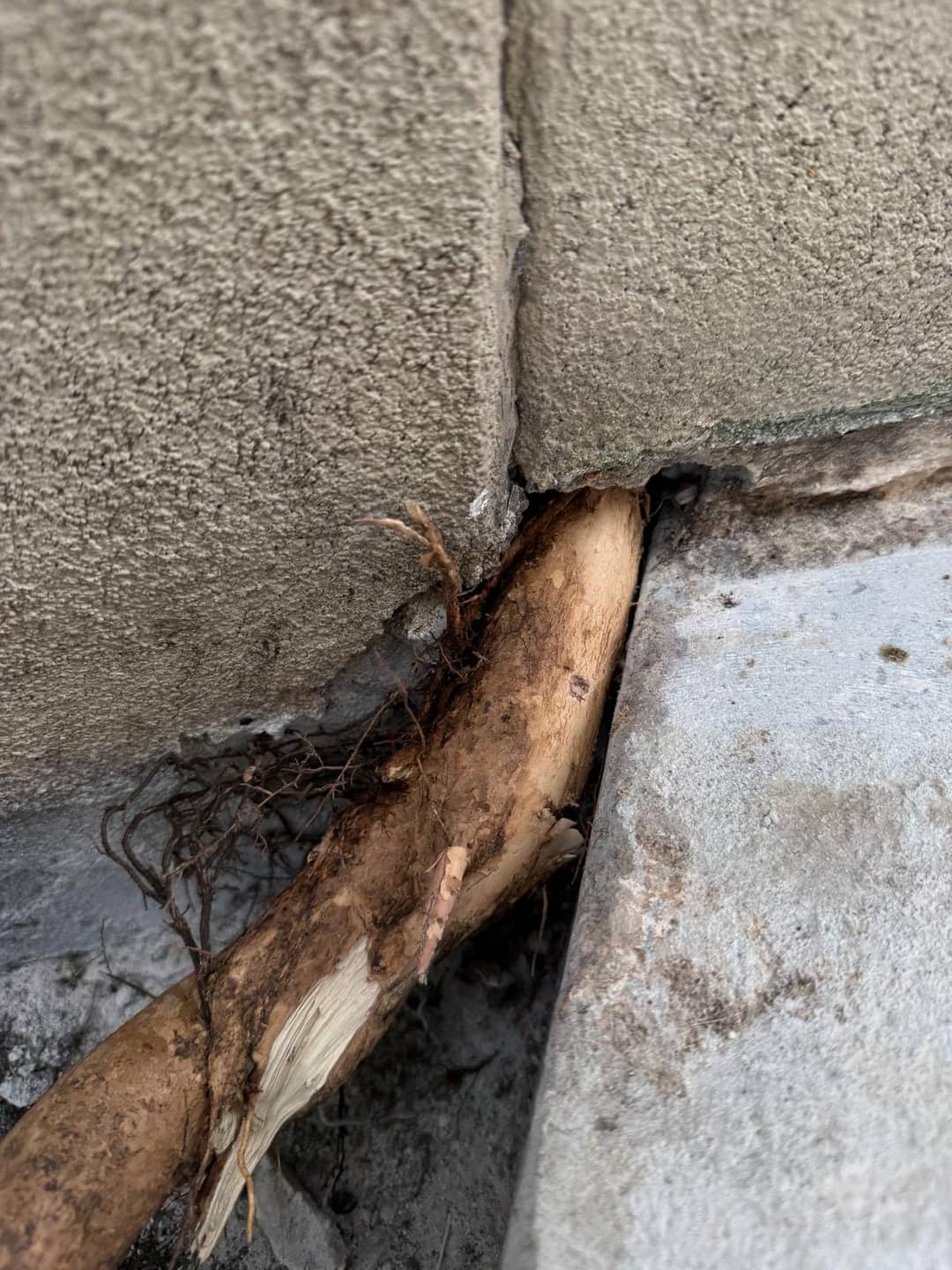
Roots are relentless and they go looking for water. Given time, they find the smallest crack or open joint in a membrane and prise it wider as they grow. This is mostly a risk with larger plants, vigorous species and anything planted into soil that sits against the structure, rather than a small herb pot. But it is exactly why root damage is such a common cause of leaks in built-in planters.
Overwatering and poor drainage
Every time you water, the excess has to go somewhere. Saucers overflow, pots drain onto the surface, and if the balcony drainage point is blocked with leaves or potting mix, water pools where it should never sit. Ponding water is the enemy of waterproofing. Most balcony membranes are designed to shed water, not to sit under it.
Scratching and point loads
Heavy pots dragged across the surface, or sat directly on an exposed membrane, can scratch, dent or wear through it over time. On a balcony where the membrane is not protected by tiles, this matters more than people expect.
The real danger: built-in planter boxes
Potted plants are usually a manageable risk. Built-in planter boxes are a different story, and they are where we see the most serious damage.
A planter box built into a balcony or terrace holds soil directly against the structure, which means it is permanently wet and under constant root pressure. It needs its own waterproofing, a proper root barrier and working drainage, all designed for a planter, not just the same membrane as the rest of the balcony. When that is missing or has failed, water and roots work their way through and the planter leaks straight into the building below. We have lifted plenty of these to find the slab fine but the waterproofing around the planter long gone.
If you have a built-in planter that has never been checked, it is worth having a proper look before it becomes a leak. A planter leaking into the structure rarely shows itself until the damage is done, which is the same reason patched leaks keep coming back: the real source is hidden.
How to grow plants on your balcony safely
None of this means you have to give up the garden. A few simple habits keep your waterproofing out of harm's way:
- Lift pots off the surface with pot feet or stands, so water drains underneath and the area can dry out. This single step prevents most trapped-moisture damage.
- Use saucers, and do not overwater. Tip out standing water rather than letting it sit.
- Keep the balcony drainage point clear of leaves, soil and debris so water can always get away.
- Avoid dragging heavy pots across the surface. Lift them, or sit them on a protective base.
- Be cautious with large plants and vigorous root systems in anything that sits against the structure.
- If your balcony has an exposed membrane rather than tiles, be extra careful, and consider having it protected properly.
- Have any built-in planter box checked for its own waterproofing, root barrier and drainage.
Do those things and a few pots of herbs or a row of planters will sit happily on a sound, tiled balcony for years.
A quick word for apartment and strata owners
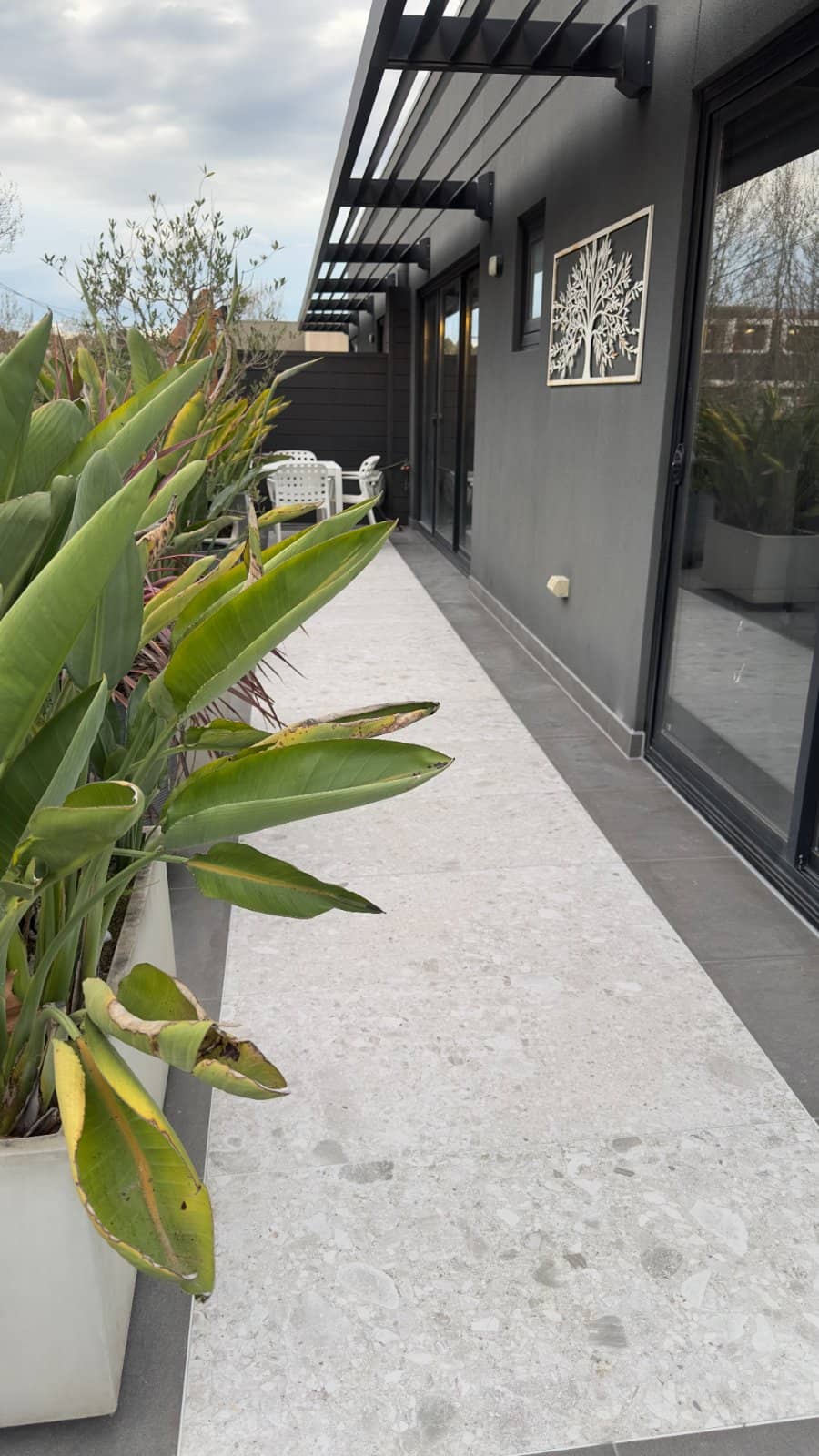
If you are in an apartment, there is one more reason to get this right. A leak that starts in your planters or pots and ends up in the apartment below can become your responsibility as the lot owner, not the owners corporation's. A balcony garden is a lovely thing, but a leak into your neighbour's ceiling is an expensive one. If you want to understand how that responsibility is decided in Victoria, our guide to who pays for a leaking balcony in strata walks through it.
Not sure if your balcony can handle it?
If you are planning a balcony garden or you have a built-in planter you have never had checked, it is worth getting eyes on it before the damage starts rather than after. We can tell you what your balcony can safely handle and sort out any balcony waterproofing that needs attention first.
We offer free on-site assessments across Melbourne. Get in touch with Advance Waterproofing and we will come and take a look.